Skywatcher Heritage 130P Flextube Dobsonian Review
This collapsible tabletop reflector combines large aperture light grasp with ultra-portable dimensions. It offers impressive deep-sky views despite minor trade-offs in structural rigidity.

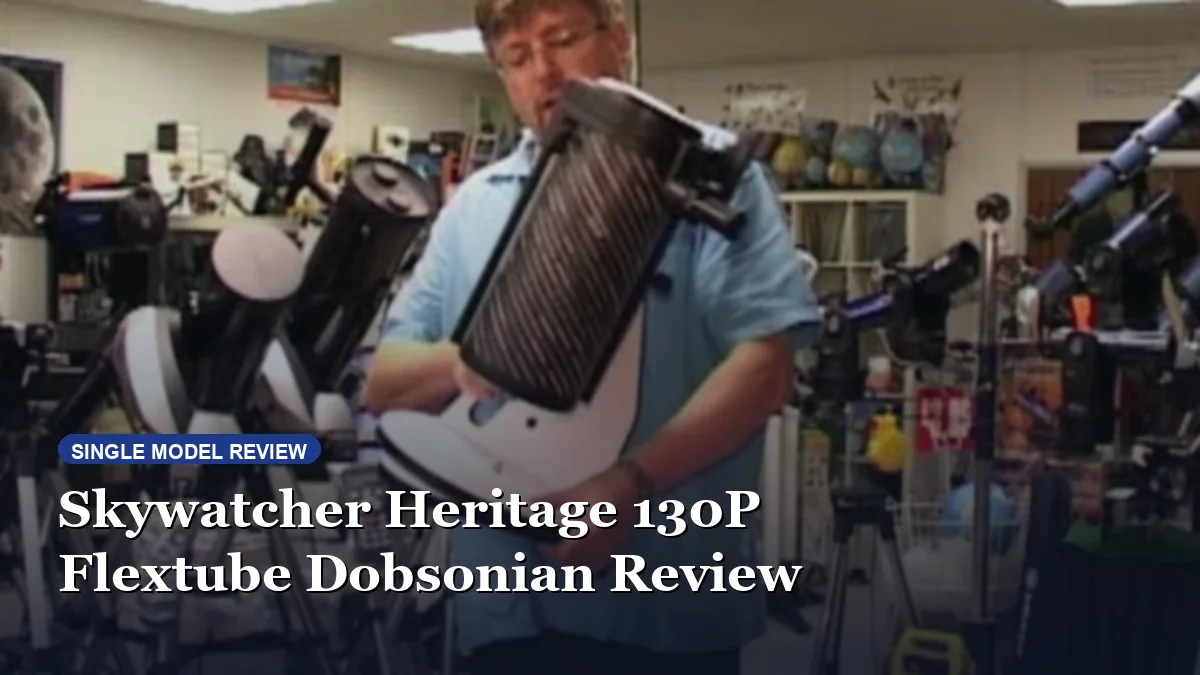

The Skywatcher Heritage delivers exceptional optical value for novice astronomers seeking genuine deep-sky capability. Careful handling and minor collimation maintenance will reward users with remarkably crisp lunar and planetary images.
Explore related alternatives in our Best Dobsonian Telescope.
Verified Specifications
| Category / Type | Tabletop Newtonian Reflector |
|---|---|
| Rated Output / Capacity | 130mm Optical Aperture |
| Power / Motor | Manual Altazimuth Operation |
| Build & Materials | Parabolic Borosilicate Glass Mirror |
| Operating Noise | Silent Manual Tracking |
| Duty Cycle / Runtime | Unlimited Visual Observation |
| Dimensions & Weight | Portable Collapsible Truss Design |
| Key Safety & Controls | Helical Focuser & Tension Clutches |
What We Liked
- Generous 130mm aperture gathers ample light for faint deep-sky targets
- Innovative collapsible truss-tube design ensures exceptional travel portability
- Parabolic primary mirror effectively eliminates annoying spherical aberrations
- Intuitive manual altazimuth base requires zero complex electronic setup
Trade-Offs
- Requires a stable elevated surface or sturdy table for comfortable viewing
- Open truss architecture exposes primary optics to environmental dust and moisture
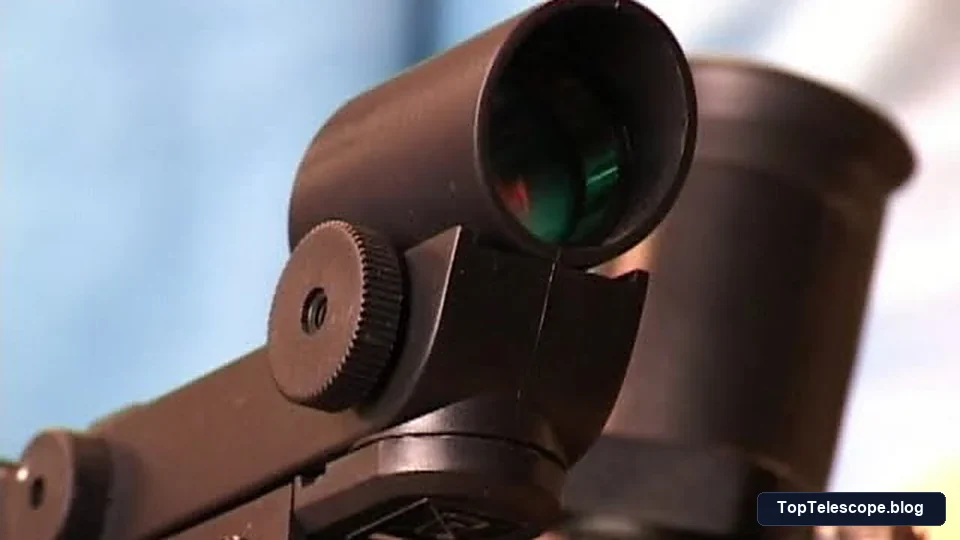
- Stock finderscope requires careful alignment before serious stargazing sessions
Optical Architecture and Mirror Specifications
The optical heart utilizes a parabolic borosilicate glass primary mirror that effectively eliminates spherical aberration. This precision grinding ensures sharp light convergence across wide fields without introducing costly optical distortions during sessions.
Proprietary multi-layer coatings maximize light transmission across the primary glass. Readers can evaluate similar models using our skywatcher heritage 130p vs 150p breakdown to compare aperture specifications and optical performance.
The primary mirror utilizes a parabolic glass substrate featuring an aperture of 130mm and a focal length of 650mm, yielding a fast f/5 focal ratio optimized for wide-field night sky scanning.
Aluminum coatings enhanced with a protective silicon dioxide overcoat deliver high reflectivity across the visible spectrum, ensuring maximum photon collection efficiency for faint deep-sky nebulae and lunar surface features alike.
- Precision-ground parabolic primary mirror
- Multi-layered protective optical coatings
- Fast focal ratio for wide fields
Aperture Advantages in Compact Form
A 130mm light-gathering surface captures significantly more photons than standard starter refractors. This extra optical power reveals faint nebulae and distant star clusters with striking clarity.
Compact focal lengths maintain a wide exit pupil, delivering bright, immersive visual fields across rich Milky Way constellations.
- Enhanced photon collection
- Wide-field star cluster resolution
Mechanical Truss-Tube Engineering and Portability
The innovative collapsible truss-tube assembly significantly reduces overall storage footprint without compromising structural integrity. Discover top-rated alternatives within our comprehensive best dobsonian telescope roundup.
Dual sliding support poles lock securely into position to maintain precise optical alignment between observation sessions. This rigid mechanical linkage ensures that collimation remains remarkably stable even after frequent transport over bumpy rural roads.
The dual-tube truss mechanism collapses down effortlessly for transit, locking securely into place via spring-loaded tension knobs that maintain structural rigidity without introducing unwanted flexure during heavy observing sessions.
Weighing approximately 13 pounds fully assembled, the entire optical assembly integrates seamlessly into standard backpacks or small car trunks, making it an ideal grab-and-go setup for astronomy enthusiasts traveling to dark sites.
- Collapsible dual-strut truss design
- Compact travel-friendly dimensions
- Secure locking tension mechanisms
Video Review: BEST BEGINNER Telescope - Sky-Watcher Heritage 130 Tabletop Dobsonian 5\
Altazimuth Mount Mechanics and Stability
A sturdy wooden tabletop base provides smooth manual tracking along both altitude and azimuth axes. Large tension clutches let observers adjust movement resistance precisely to prevent accidental drift while tracking faint celestial objects at high magnifications.
High-density rubber feet isolate ground vibrations effectively when the telescope rests on stable horizontal surfaces. For deeper insights into mounting mechanics, review our dobsonian vs newtonian comparison guide.
Supported by a wooden base featuring smooth Teflon bearing pads, the tabletop altazimuth mount allows intuitive manual tracking of celestial objects across both azimuth and altitude axes at high magnifications.
Users must mount the chassis onto a sturdy, level platform to eliminate ground vibrations and ensure rock-steady tracking when observing planetary details through high-power eyepieces on breezy outdoor nights.
- Smooth manual altazimuth rotation
- Adjustable altitude tension clutches
- Vibration-damping rubber feet
Real-World Visual Performance Across Targets
Deep-sky performance shines when observing extended nebulae, bright galaxies, and dense star clusters under rural skies. The generous aperture gathers sufficient photons to resolve intricate details inside Messier catalog objects previously invisible in smaller instruments.
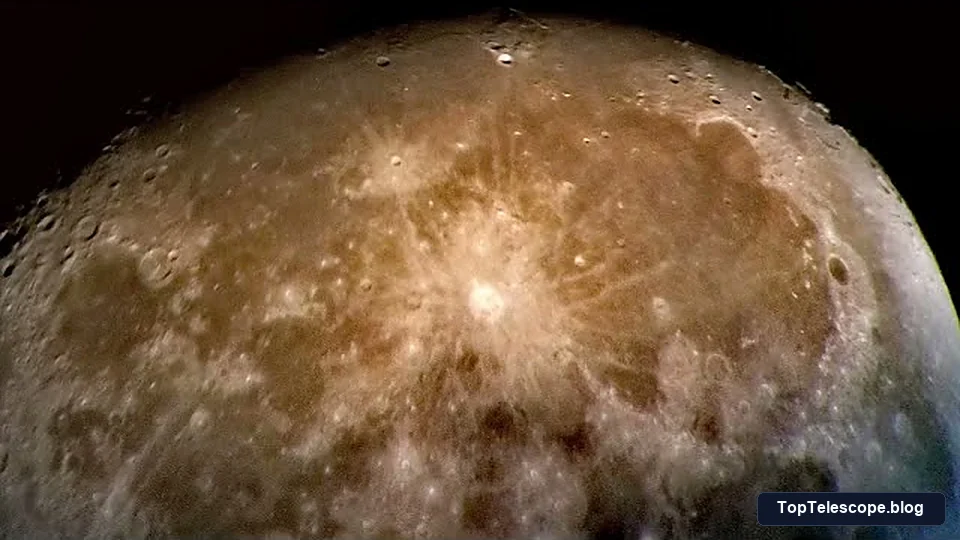
Planetary and lunar observation reveals sharp crater walls, maria ridges, and Jovian cloud belts with striking contrast. Adding a reliable Barlow lens pushes usable magnifications higher while maintaining acceptable image brightness across planetary disks.
Under dark skies, the wide true field of view reveals sprawling constellations, large open clusters, and prominent Messier objects with crisp contrast and pinpoint star images right across the visual field.
Planetary observers will easily resolve the cloud bands on Jupiter and the iconic rings of Saturn, provided local seeing conditions remain steady and the optics have fully adapted to ambient temperatures.
- Excellent deep-sky photon grasp
- Crisp lunar crater contrast
- Clear Jovian cloud belt visibility
Thermal Equilibrium and Collimation Maintenance
Open truss designs allow the primary mirror to reach ambient outdoor temperatures much faster than enclosed optical tubes. This rapid thermal equalization eliminates internal air currents that typically degrade high-magnification planetary sharpness during early evening viewing.
Routine collimation is straightforward using the rear adjustment screws on the primary mirror cell. Periodic alignment checks ensure peak optical performance persists through repeated mechanical collapses and field deployments.
Open truss designs promote rapid thermal acclimation, allowing the primary mirror to reach ambient temperature much faster than enclosed optical tubes when moving from a warm indoor environment outside.
Frequent transport can nudge optical alignment, requiring routine collimation checks using a standard Cheshire eyepiece or laser collimator to preserve sharp focus and high-contrast performance during viewing sessions.
- Rapid open-tube thermal cooling
- Accessible primary mirror adjustment
- Reliable mechanical alignment retention
Focuser Mechanics and Accessory Compatibility
The integrated helical focuser delivers smooth, backlash-free adjustments for critical sharpness tuning. Its straightforward mechanical design handles standard 1.25-inch eyepieces securely without introducing mechanical slop or image shift.
Upgrading standard stock eyepieces to wider-field Plossl or Erfle designs unlocks immersive viewing experiences. Compatibility with standard barlow elements and lunar filters expands the optical toolkit for diverse astronomical targets.
Equipped with a standard 1.25-inch rack-and-pinion focuser, the drawtube moves smoothly to achieve precise focus, though upgrading to heavy accessories requires careful consideration of overall system balance limits.
A threaded t2 camera ring adapter can attach directly for basic lunar and solar system imaging, though long exposure astrophotography remains constrained by the manual tracking nature of altazimuth mounts.
- Backlash-free helical focusing
- Standard 1.25-inch eyepiece compatibility
- Accepts standard optical filters
Comprehensive Verdict and Buyer Suitability
This portable reflector represents an outstanding investment for newcomers entering hobby astronomy. Explore our recommended options in the best dobsonian telescope for beginners guide to compare entry-level features.
While tabletop mounting requires an elevated stable surface, the ergonomic benefits heavily outweigh minor setup limitations. Anyone prioritizing high light-grasp and effortless transport will find exceptional value in this versatile optical system.
This compact Newtonian reflector delivers exceptional optical performance for beginner astronomers seeking a portable instrument capable of resolving both solar system targets and deep-sky wonders without breaking a sweat.
While basic maintenance like collimation is necessary, the overall mechanical design and user-friendly setup make it an outstanding investment for anyone prioritizing field portability and straightforward visual astronomy.
- Ideal entry-level deep-sky instrument
- Exceptional portability-to-aperture ratio
- Outstanding overall optical value
Frequently Asked Questions
Does the collapsible tube lose collimation easily during transit?
The dual-strut mechanical design maintains alignment remarkably well across trips. Periodic checks using a simple laser collimator ensure pristine optical performance every session.
Can this telescope be mounted on a standard camera tripod?
Yes, the base includes a standard 3/8-inch threaded socket for tripod attachment. However, sturdy tabletop placement remains the most stable configuration.
What targets are best suited for this optical aperture?
It excels at revealing lunar craters, bright planets, and deep-sky objects like star clusters. Dark rural skies unlock even fainter nebulae and distant galaxies.
Is prior telescope experience required to operate this system?
Not at all, as the manual altazimuth design is exceptionally intuitive for beginners. Setting up takes minutes without complex alignment procedures.
How does the scope perform in windy outdoor conditions?
Tabletop designs mounted securely on heavy surfaces resist wind vibrations adequately. Gusty conditions may introduce minor image jitter at high magnifications.