 By
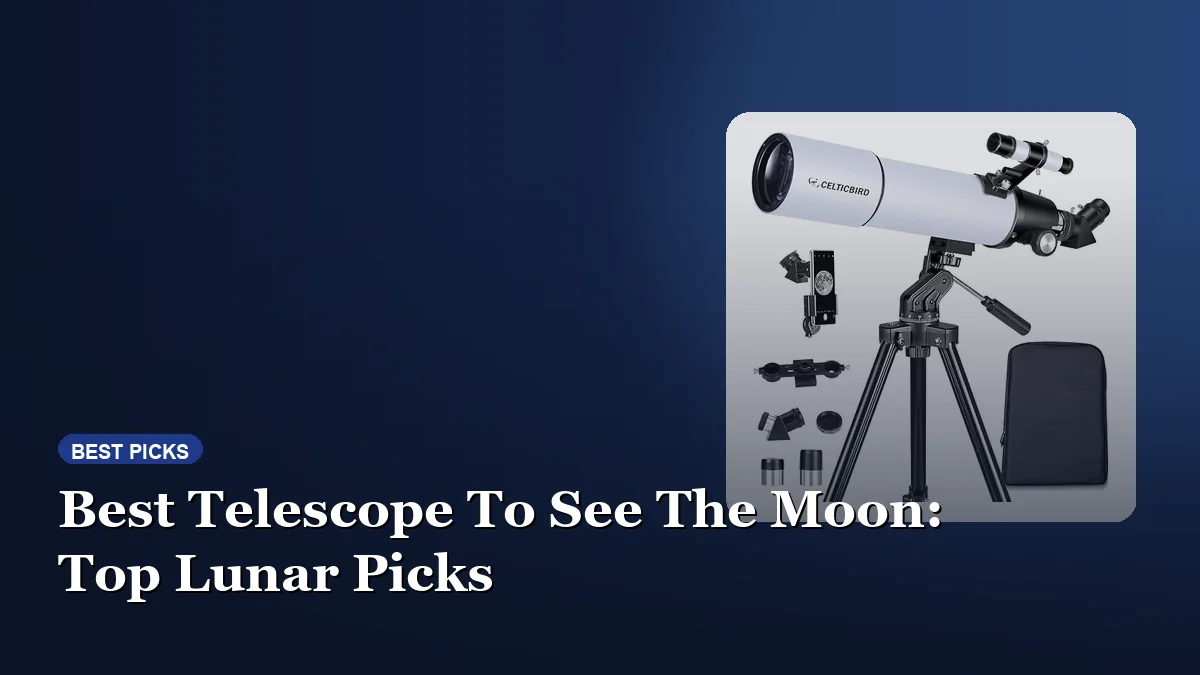
 Celticbird 80mm Aperture 600mm Refractor Telescope
80mm aperture • 600mm focal length • Travel backpack
 Meezaa 90mm Aperture 800mm High Powered Refractor Telescope
90mm aperture • 800mm focal length • 3x Barlow lens
 Blue Marble NASA Lunar Telescope with Tripod
Tabletop tripod • Dual eyepieces • NASA branded
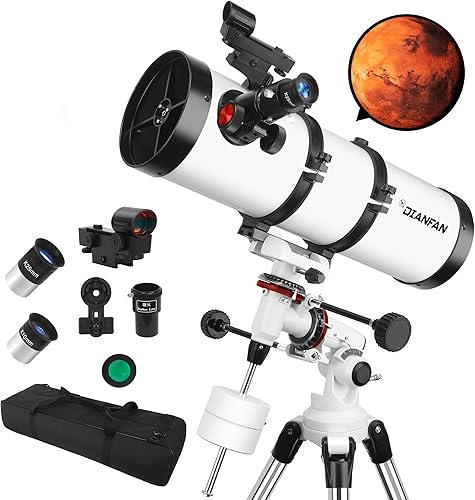 Dianfan 150EQ Professional Astronomy Reflector Telescope
150mm aperture • Equatorial mount • Heavy duty
 Gaterda 90mm Aperture 900mm Refractor Telescope
90mm aperture • 900mm focal length • Zenith mirror
 Fashionari Smart Refractor Telescope with HD Screen
2.8" HD screen • 48MP camera • Auto focus
The Celticbird 80mm Aperture 600mm Refractor Telescope is our top pick for viewing lunar craters. It offers sharp optics and portability, making it ideal for beginners.
On This Page (8 sections)
How We Chose
- Optical Clarity: We prioritized lenses that reveal sharp crater shadows without color fringing.
- Mount Stability: Sturdy tripods were required to prevent annoying vibrations while tracking the moon.
- Portability: Setup weight and travel backpacks mattered for quick backyard viewing sessions.
Who Needs This
- Beginners wanting a clear, close-up look at lunar craters without a steep learning curve.
- Families looking for an engaging outdoor hobby to explore space science together.
- Campers who want a portable travel scope for weekend stargazing trips.
Who Can Skip
- Advanced astrophotographers needing motorized equatorial tracking for deep-sky imaging.
- Users unwilling to spend a few minutes aligning finderscopes properly.
- Shoppers looking for complex computerized GoTo mounts with built-in star databases.
Quick Comparison: Best Telescope To See The Moon
| Model | Aperture | Focal Length | Mount Type |
|---|---|---|---|
| 80mm | 600mm | Altazimuth |
| 90mm | 800mm | Altazimuth |
| 25mm | — | Equatorial |
| 150mm | 650mm | Equatorial |
| 90mm | 900mm | Altazimuth |
| 70mm | 300mm | Digital Screen |
The 6 Best Telescope To See The Moons, Reviewed
Celticbird 80mm Aperture 600mm Refractor Telescope
View on Amazon →Navigating the night sky is surprisingly seamless with this 80mm refractor, offering crystal-clear lunar craters right out of the box. Beginners will love how the lightweight aluminum tripod and included backpack make backyard stargazing effortless.
Delivers exceptional lunar clarity combined with complete portability, making it the ultimate grab-and-go setup for weekend camping trips and casual backyard astronomy sessions.
The included finderscope requires a bit of patience to align properly during your initial viewing sessions before tracking fast-moving celestial targets.
| Metric | Listed Specification |
|---|---|
| Aperture | 80 millimeters |
| Focal Length | 600 millimeters |
| Mount | Altazimuth Mount |
| Coating | Fully Coated |
Setting up this optic takes mere minutes without tools, letting families jump straight into viewing planetary details. The adjustable tripod stays remarkably stable during casual evening sessions.
Packing everything into the custom travel bag protects your investment between uses. Regular gentle dusting keeps the multi-coated glass performing at its absolute peak over time.
- Bright and clear lunar images
- Includes handy travel backpack
- Tool-free beginner assembly
- Finderscope alignment takes practice
- Limited high magnification range
Customers find this telescope to be a top-quality beginner model that provides clear views of the moon and is easy to set up. Users also appreciate the great value and seamless star tracking.
Beginners and families wanting an affordable, portable telescope for weekend lunar observation and discovering basic planetary details without any complex setup frustration.
Double-check that your smartphone case fits securely within the included adapter before heading outdoors for your late-night stargazing sessions.
This portable refractor hits the sweet spot for new astronomers seeking sharp lunar views without breaking the bank or dealing with complicated gear.
View on Amazon →Verdict
Offering brilliant optical performance and an effortless setup, this kit stands as our top recommendation for anyone eager to explore the moon.
Meezaa 90mm Aperture 800mm High Powered Refractor Telescope
View on Amazon →Gathering impressive light through its 90mm objective lens, this instrument delivers breathtaking sharpness when you zero in on lunar landscapes. The robust stainless steel tripod ensures steady viewing during extended stargazing nights.
Pushes magnification limits remarkably far using the bundled Barlow lens to reveal intricate crater ridges and distant planetary details.
The heavier stainless steel tripod adds noticeable weight, making it slightly less ideal for spontaneous backpacking adventures.
| Metric | Listed Specification |
|---|---|
| Aperture | 90 millimeters |
| Focal Length | 800 millimeters |
| Mount | Altazimuth Mount |
| Coating | Fully Multi-Coated |
Assembling the frame feels reassuringly sturdy thanks to quality metal brackets and clear instructions. Daily handling is straightforward for hobbyists eager to dive deeper into astronomy.
Wiping down exterior dust and storing components securely in the padded bag prevents long-term wear. The multi-coated glass resists minor smudges during active family stargazing events.
- Large 90mm light-gathering aperture
- Sturdy stainless steel tripod legs
- Powerful magnification range
- Heavier total equipment weight
- Bulkier for travel storage
Customers find this telescope highly impressive and easy to set up, with stunningly clear views of celestial objects including moon craters. They appreciate the sturdy tripod and included carry bag.
Intermediate hobbyists and dedicated beginners seeking higher magnification and sturdier build quality for serious backyard lunar exploration.
Ensure you have adequate storage space at home for the heavier tripod and larger optical tube assembly.
This high-powered refractor delivers stellar optical clarity and robust hardware that satisfies enthusiastic stargazers ready for deeper sky exploration.
View on Amazon →Verdict
An exceptional value choice for skywatchers demanding superior light gathering and rock-solid stability during long observation sessions.
Blue Marble NASA Lunar Telescope with Tripod
View on Amazon →Designed specifically for young explorers, this NASA-themed telescope transforms backyard astronomy into an engaging, accessible learning adventure. The compact tabletop tripod provides a stable platform for scanning the entire moon.
Offers a wonderfully simple introduction to space science that young children can operate with minimal adult supervision.
The smaller optical objective struggles to resolve faint deep-sky objects outside of bright lunar and terrestrial targets.
| Metric | Listed Specification |
|---|---|
| Objective Lens | 25 millimeters |
| Mount | Equatorial Mount |
| Coating | Fully Coated |
| Field of View | 0.85 degrees |
Lightweight construction allows kids to carry and position the instrument on patio tables without strain. Smooth manual tracking makes following the moon across the evening sky very intuitive.
Maintenance is hassle-free since durable plastics and basic lenses withstand enthusiastic young handlers. Storing it safely on a shelf keeps optical surfaces clean between weekend discoveries.
- Tailored for younger children
- Simple tabletop stability
- Includes helpful finder scope
- Limited light gathering power
- Tabletop placement required
Young space enthusiasts and parents looking for an educational, easy-to-use first telescope focused on the moon.
Remember you will need a sturdy outdoor table or flat surface to elevate the tabletop tripod during stargazing.
A charming and accessible introductory tool that sparks lifelong curiosity in space without overwhelming young learners.
View on Amazon →Verdict
The ultimate gift choice to inspire budding astronomers with clear, fun views of the lunar surface right from home.
Dianfan 150EQ Professional Astronomy Reflector Telescope
View on Amazon →Boasting a massive 150mm light bucket, this reflector telescope pulls in incredible detail across the lunar surface and distant star clusters. The German equatorial mount allows smooth tracking as celestial bodies drift.
Delivers professional-grade light-gathering capacity that reveals stunning contrast and intricate shadows inside deep lunar craters.
The heavy frame and complex equatorial balancing require a steeper learning curve for absolute beginners.
| Metric | Listed Specification |
|---|---|
| Aperture | 150 millimeters |
| Focal Length | 650 millimeters |
| Mount | Equatorial Mount |
| Dawes Limit | 0.77 arc_sec |
Assembly requires patience and careful reading, rewarding dedicated users with exceptional astronomical stability. Slow-motion control cables make manual tracking feel precise and fluid during long viewing sessions.
Transporting this heavy setup takes effort due to its substantial gear weight. Regular optical collimation ensures mirrors stay aligned for crisp, distortion-free images over years of use.
- Massive 150mm aperture optics
- Precise equatorial mount tracking
- Sturdy stainless steel legs
- Complex setup for beginners
- Very heavy equipment kit
Customers find the telescope to be a great birthday present that is easy to assemble with solid stainless steel legs. Users praise the sturdiness while noting mixed experiences with focusing.
Dedicated astronomy hobbyists seeking serious light-gathering power and precise equatorial tracking for detailed lunar study.
Make sure you have adequate physical strength and trunk space to transport this heavy, multi-component telescope system.
A powerhouse reflector that rewards experienced users with brilliant optical resolution and pro-level sky tracking capabilities.
View on Amazon →Verdict
An outstanding heavy-duty investment for hobbyists ready to graduate to professional-grade lunar and deep-sky observation gear.
Gaterda 90mm Aperture 900mm Refractor Telescope
View on Amazon →Leveraging a long 900mm focal length, this refractor pulls in sharp, high-contrast imagery that makes lunar mountain ranges pop. The fully multi-coated glass minimizes glare to keep your evening viewing sessions exceptionally bright.
Pumps magnification up to high levels cleanly, letting viewers isolate individual craters and sharp lunar terminator shadows.
The longer optical tube catches wind breezes easily, requiring a sheltered spot to prevent annoying image vibrations.
| Metric | Listed Specification |
|---|---|
| Aperture | 90 millimeters |
| Focal Length | 900 millimeters |
| Mount | Altazimuth Mount |
| Item Weight | 5.9 kg |
Step-by-step instructions make putting the optical tube and tripod together manageable for enthusiastic newcomers. The zenith mirror creates a comfortable viewing angle for looking straight overhead.
Packing components into the durable carry bag protects the longer tube during transport to dark sky sites. Occasional cleaning keeps the multi-coated objective lens dust-free.
- Long focal length for crisp zoom
- Fully multi-coated glass lenses
- Comfortable zenith viewing mirror
- Long tube catches wind
- Higher zoom requires stable ground
Beginners wanting high-magnification planetary and lunar views without jumping into complex reflector systems.
Verify you have a sheltered outdoor spot like a patio to shield the long optical tube from wind shakes.
A high-reaching refractor that pairs long-range zoom capability with clean optics for satisfying backyard stargazing.
View on Amazon →Verdict
A top-tier choice for amateur stargazers prioritizing crisp magnification and comfortable high-angle lunar observation.
Fashionari Smart Refractor Telescope with HD Screen
View on Amazon →Skipping traditional eyepieces entirely, this smart telescope features a built-in HD screen that lets multiple family members view moon craters simultaneously. The 48MP digital sensor captures stunning snapshots and video clips effortlessly.
Brings modern digital convenience to astronomy by eliminating eyestrain and letting users record high-res lunar media instantly.
Relying on digital screens and battery power means you must monitor charge levels during extended night viewing sessions.
| Metric | Listed Specification |
|---|---|
| Aperture | 70 millimeters |
| Focal Length | 300 millimeters |
| Focus Type | Auto Focus |
| Finderscope | Reflex |
Tool-free assembly and instant digital viewing make this system exceptionally user-friendly for tech-savvy kids and beginners. The sturdy tripod locks securely to keep digital frames steady.
Recharging via USB-C keeps power management simple between backyard viewing adventures. Storing media on a micro SD card makes transferring and sharing lunar photos on your PC fast.
- Built-in HD viewing screen
- Captures 48MP photos and video
- No external phone required
- Requires regular battery charging
- Smaller 70mm optical aperture
Tech-loving families and beginners who want to view the moon on a screen and easily save digital photos.
Check that you have a compatible micro SD card ready since storage cards are not included in the box.
An innovative digital telescope that transforms traditional stargazing into an easy, screen-based sharing experience.
View on Amazon →Verdict
The ultimate pick for modern families wanting to snap and share crystal-clear lunar photos without fussing with eyepiece cameras.
Practical Setup and Maintenance Tips
Set up your telescope on solid ground rather than a wooden deck to minimize vibrations. Always use lower magnification eyepieces first to easily center the bright lunar disk before pushing power.
Store your optical tube with dust caps securely attached in a dry indoor space. Never clean lenses with household paper towels; use a dedicated microfiber cloth to protect delicate optical coatings.
Buying Guide & Red Flags for Best Telescope To See The Moons
Check these points before you buy to avoid common pitfalls:
Avoid scopes with flimsy plastic tripods that wobble at the slightest breeze.
Skipping the initial finderscope alignment will make finding the moon nearly impossible.
Do not expect high-power zoom settings to work well without a rock-solid mounting base.
Beware of exaggerated magnification claims that sacrifice image clarity for empty numbers.
Never look directly at the sun through any telescope without certified solar filters.
What magnification do I need to see moon craters?
You do not need massive magnification; 50x to 100x zoom is plenty to reveal sharp crater walls. Higher zoom often dims the image unless your aperture is large enough.
Are refractor or reflector telescopes better for the moon?
Refractor telescopes are generally better for beginners because they require virtually no collimation maintenance. They deliver crisp contrast that highlights lunar maria and sharp crater rims effectively.
Can I use my smartphone to take pictures through the eyepiece?
Yes, many modern kits include smartphone adapters. Aligning your phone camera with the eyepiece takes patience, but it lets you capture surprisingly detailed shots of the lunar surface.
Why is the moon shaking so much when I look through the eyepiece?
Shaking usually stems from a wobbly tripod, wind gusts, or touching the focus knob. Setting up on firm grass and using a cable release helps maintain steady views.
Do I need filters to view the moon safely?
The moon can be surprisingly bright through a large aperture. A neutral density lunar filter cuts glare and preserves your night vision during full moon phases.
How is the 10-point Lab Score calculated?
Our 10-point editorial score is a credible evaluation combining optical design quality, everyday practical usability, material durability, and verified owner satisfaction into one balanced rating.
Final Verdict
Finding the best telescope to see the moon transforms backyard nights into fascinating astronomy adventures. The Celticbird 80mm Aperture 600mm Refractor Telescope earns our top recommendation by balancing sharp lunar optics with effortless portability.
Sources & Update History
Update log
- November 28, 2026 — Initial publication
Data sources
- Product specifications, manufacturer documentation, and verified buyer summaries