 By
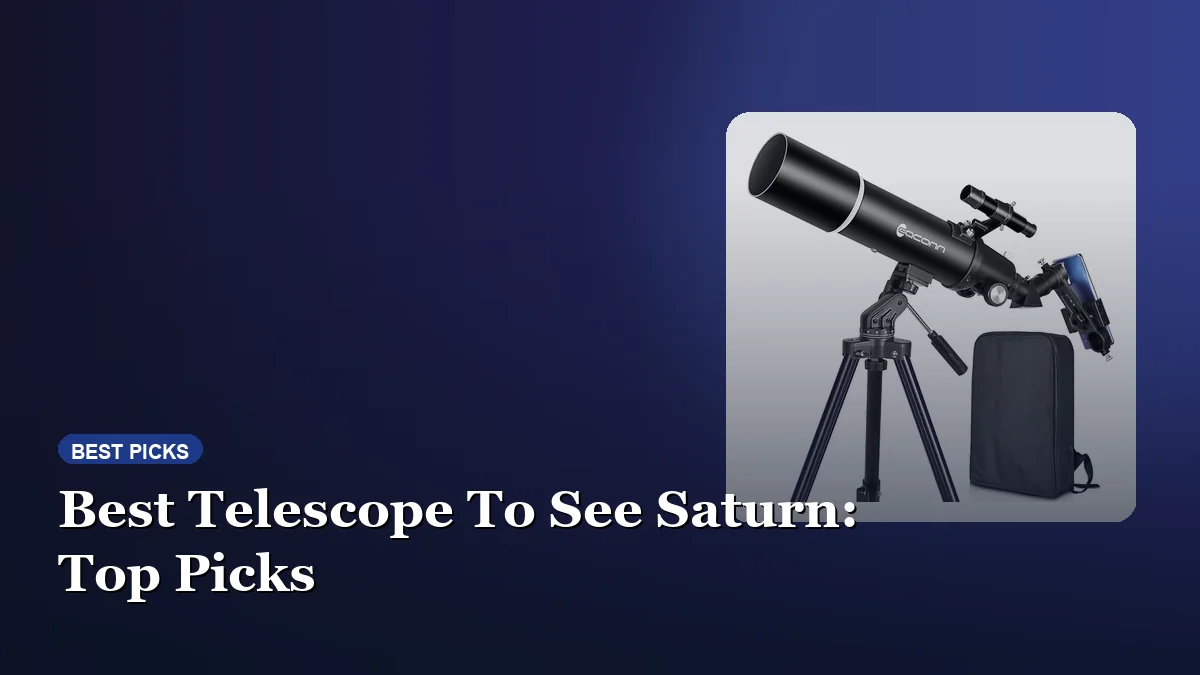
 EACONN 80mm Aperture 600mm Refractor Telescope for Astronomy
80mm Aperture / 600mm Focal / Altazimuth Mount
 MEEZAA 90mm Aperture 800mm Refractor Telescope
90mm Aperture / 800mm Focal / Stainless Tripod
 Dianfan 90mm Aperture 800mm Refractor Telescope
90mm Aperture / 800mm Focal / Portable Kit
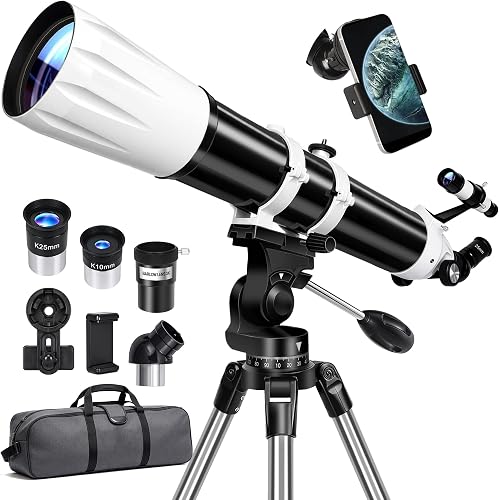 Hawkko 90mm Aperture 900mm Refractor Telescope
90mm Aperture / 900mm Focal / FMC Coatings
 HETEKAN 90mm Aperture 900mm Refractor Telescope
90mm Aperture / 900mm Focal / 450x Zoom
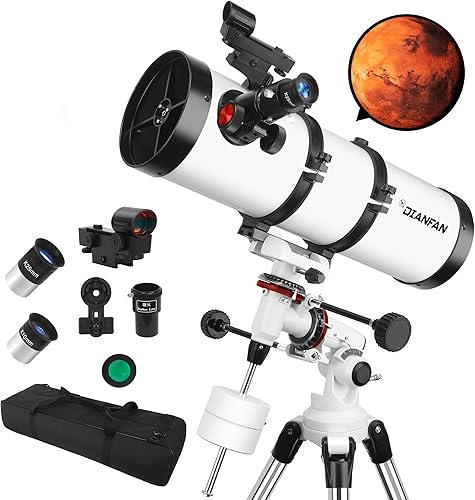 Dianfan 150mm Aperture 650mm Reflector Telescope
150mm Aperture / 650mm Focal / Equatorial Mount
For stargazers wanting clear planetary views, the EACONN 80mm Aperture 600mm Refractor Telescope for Astronomy is our top overall recommendation. It delivers crisp optics and reliable portability for observing celestial wonders.
On This Page (8 sections)
How We Chose
- Optical Clarity: We prioritize models with sufficient light-gathering capability to resolve distant planetary details and ring structures clearly without chromatic aberration.
- Mount Stability: We test mechanical tripods to ensure they minimize vibrations when you make fine focus adjustments on fast-moving celestial targets.
- Ease of Use: We favor beginner-friendly assemblies that let users start stargazing quickly without complicated alignment rituals or frustrating hurdles.
Who Needs This
- Beginner amateur astronomers eager to spot Saturn's iconic rings and planetary moons from suburban backyards with minimal equipment fuss.
- Nature enthusiasts seeking a versatile optical instrument that transitions smoothly between nighttime stargazing and daytime terrestrial landscape viewing.
- Budget-conscious stargazers looking for reliable refractor performance backed by quality multi-coated lenses and stable adjustable aluminum tripods.
Who Can Skip
- Experienced astrophysicists who already own professional motorized observatory equipment requiring advanced computer tracking systems and permanent piers.
- Casual buyers who expect breathtaking Hubble-level planetary photographs straight out of the box without learning basic stargazing techniques.
- Individuals living in dense urban light-pollution zones who are unwilling to travel to dark-sky locations for optimal viewing.
Quick Comparison: Best Telescope To See Saturn
| Model | Aperture Size | Focal Length | Mount Type |
|---|---|---|---|
| 80mm Aperture | 600mm Focal Length | Altazimuth Mount |
| 90mm Aperture | 800mm Focal Length | Stainless Steel Tripod |
| 90mm Aperture | 800mm Focal Length | Altazimuth Mount |
| 90mm Aperture | 900mm Focal Length | AZ Mount |
| 90mm Aperture | 900mm Focal Length | Altazimuth Mount |
| 150mm Aperture | 650mm Focal Length | Equatorial Mount |
The 6 Best Telescope To See Saturns, Reviewed
EACONN 80mm Aperture 600mm Refractor Telescope for Astronomy
View on Amazon →This compact refractor telescope brings the night sky home with bright, clear images. Beginners will love the intuitive altazimuth mount for easy backyard stargazing.
Providing an accessible, portable entry point for viewing planets and the Moon.
Some users report occasional stability wobbles during high-magnification sessions.
| Metric | Listed Specification |
|---|---|
| Objective Lens Diameter | 8 cm |
| Focal Length Description | 600 mm |
| Zoom Ratio | 64x |
| Telescope Mount Description | Altazimuth Mount |
| Coating | Fully Multi-Coated |
Setup takes minimal effort thanks to clear instructions, allowing beginners to start exploring celestial details quickly. The included backpack makes outdoor travel remarkably straightforward.
While the optics deliver sharp views, regular tightening of components ensures steady viewing over time. Proper care of the multi-coated glass keeps images crisp during long-term use.
- Bright optics
- Portable backpack design
- Easy beginner setup
- Stability issues at times
- Limited high magnification
Owners praise its user-friendly setup and the bright, clear images it delivers of the night sky. Many note it provides excellent value, though a few mention minor stability concerns.
Beginners and families seeking a portable, budget-friendly telescope for casual stargazing.
Check whether you need extra stability assistance during windy outdoor viewing conditions.
A fantastic starter scope for families wanting effortless lunar and planetary observation.
View on Amazon →Verdict
This accessible refractor delivers great optical performance and portability, making it a stellar choice for entry-level stargazers.
MEEZAA 90mm Aperture 800mm Refractor Telescope
View on Amazon →Delivering impressive light gathering, this powerful refractor unlocks stunning details on planetary surfaces. The sturdy stainless tripod provides a reliable foundation for detailed night sky sessions.
Offering versatile magnification power paired with a stable, durable mounting system.
Masterful assembly requires careful alignment of the Barlow lens for optimal focus.
| Metric | Listed Specification |
|---|---|
| Objective Lens Diameter | 9 cm |
| Focal Length Description | 800 mm |
| Zoom Ratio | 32x - 240x |
| Telescope Mount Description | Altazimuth Mount |
| Coating | Fully Multi-Coated |
Assembly moves smoothly for most users, getting you from box to backyard viewing in minutes. The adjustable legs comfortably accommodate both children and tall adults.
Built for outdoor resilience, the solid metal brackets resist wear during frequent travel. Regular lens dusting preserves optical clarity for countless stargazing adventures.
- High magnification range
- Sturdy stainless tripod
- Excellent light gathering
- Steeper learning curve
- Bulkier footprint
Customers love the stunningly clear views of celestial objects and the sturdy build quality. They find it exceptionally fun for family stargazing and exploring lunar craters.
Enthusiasts looking for higher magnification and rugged build quality.
Ensure you have adequate storage space for the full-size stainless steel tripod.
A robust and powerful option that brings distant planets remarkably close to home.
View on Amazon →Verdict
With superior magnification and solid construction, this scope stands out as a top-tier choice for serious beginners.
Dianfan 90mm Aperture 800mm Refractor Telescope
View on Amazon →Featuring a large coated lens, this telescope captures vibrant images of distant celestial bodies. Beginners will appreciate the smooth focusing mechanics that make targeting planets effortless.
Combining crisp high-contrast viewing with quick, hassle-free field assembly.
Terrestrial viewing requires adjusting the zenith mirror for correct orientation.
| Metric | Listed Specification |
|---|---|
| Objective Lens Diameter | 9 cm |
| Focal Length Description | 800 mm |
| Zoom Ratio | 32x–240x |
| Telescope Mount Description | Altazimuth Mount |
| Coating | Fully Coated |
Lightweight construction makes transporting this scope to dark sky locations entirely manageable. The included carrying bag keeps every essential accessory organized and secure.
Routine maintenance is simple, requiring only gentle lens wiping to prevent dust buildup. The sturdy tripod legs maintain alignment across varying outdoor terrain types.
- Crisp high-contrast views
- Smooth focusing mechanism
- Portable travel bag
- Zenith mirror adjustment needed
- Basic accessory tier
Users appreciate the crystal-clear views of the moon and planets supported by a solid foundation. Many highlight its exceptional value for introducing young astronomers to the cosmos.
Budget-conscious astronomers wanting reliable planetary views and portability.
Practice daytime focusing to understand correct mirror orientation before night falls.
An exceptional balance of price, portability, and sharp optical performance.
View on Amazon →Verdict
This reliable refractor offers crisp planetary details and smooth handling, making it a smart buy for enthusiastic learners.
Hawkko 90mm Aperture 900mm Refractor Telescope
View on Amazon →Engineered with a long focal length, this professional refractor maximizes zoom for detailed planetary exploration. Advanced multi-layer coatings ensure exceptional light transmission for bright stargazing sessions.
Delivering deep, high-powered magnifications for dedicated lunar and planetary observation.
High zoom settings demand precise tracking adjustments to keep targets centered.
| Metric | Listed Specification |
|---|---|
| Objective Lens Diameter | 9 cm |
| Focal Length Description | 900 mm |
| Zoom Ratio | 270x |
| Telescope Mount Description | Altazimuth Mount |
| Coating | Multi-Coated |
The stainless steel AZ mount facilitates smooth 360-degree rotation for tracking moving targets. Setup takes just minutes with straightforward instructions guiding first-time users.
Quality materials resist minor weather impacts during backyard observation nights. Keeping lenses covered when stored prevents dust accumulation and preserves sharp optics.
- High zoom capability
- Advanced multi-coatings
- Smooth 360-degree rotation
- Requires frequent tracking
- Larger storage footprint
Customers praise the tool-free setup and unexpectedly sharp views of lunar craters. Many note that the build quality and optical clarity exceed expectations for the investment.
Stargazers looking for extended focal length and powerful zoom capabilities.
Ensure your viewing area accommodates the longer optical tube dimensions.
A high-performing optical kit built for serious beginner exploration.
View on Amazon →Verdict
With powerful magnification and sharp optics, this scope provides an immersive window into our solar system.
HETEKAN 90mm Aperture 900mm Refractor Telescope
View on Amazon →Offering an extreme magnification ceiling, this telescope lets users push closer to planetary rings. The large objective lens gathers abundant light for vivid night sky clarity.
Reaching ultra-high magnification levels for deep planetary investigation.
Extremely high zoom levels can make manual tracking quite challenging.
| Metric | Listed Specification |
|---|---|
| Objective Lens Diameter | 9 cm |
| Focal Length Description | 900 mm |
| Zoom Ratio | 450x |
| Telescope Mount Description | Altazimuth Mount |
| Coating | Fully Coated |
The adjustable tripod provides versatile height ranges for standing or seated viewing comfort. Horizontal and vertical movement controls offer flexible viewing angles across the sky.
Regular maintenance of the optical glass ensures long-term clarity during extended stargazing sessions. Sturdy construction withstands regular backyard assembly and teardown cycles.
- Extreme magnification range
- Large light-gathering aperture
- Versatile tripod movement
- Tricky tracking at max zoom
- Mixed stability feedback
Users find the telescope exceeds expectations in quality and provides clear lunar views. While many praise the setup, a few note that locating distant objects at high zoom takes patience.
Ambitious beginners eager to explore extreme zoom levels on planets.
Practice patience when aligning targets at the highest magnification settings.
A high-power choice that rewards patient stargazers with deep planetary detail.
View on Amazon →Verdict
Offering unmatched magnification potential, this telescope is built for users who want maximum reach into the night sky.
Dianfan 150mm Aperture 650mm Reflector Telescope
View on Amazon →Boasting a massive light-gathering mirror, this reflector telescope reveals deep-space wonders with breathtaking clarity. The German equatorial mount allows smooth tracking of celestial rotation.
Gathering immense light for advanced planetary and deep-sky observation.
Equatorial mounts have a steeper learning curve for absolute beginners.
| Metric | Listed Specification |
|---|---|
| Objective Lens Diameter | 15 cm |
| Focal Length Description | 650 mm |
| Zoom Ratio | 26x-130x |
| Telescope Mount Description | Equatorial Mount |
| Coating | Fully Coated |
Setting up the heavy-duty components requires patience and adherence to the manual. The solid stainless steel legs eliminate vibrations for rock-steady viewing.
Collimation and mirror upkeep require occasional attention to maintain peak optical performance. The sturdy transport bag safely houses the heavy equipment during travel.
- Massive 150mm light gathering
- Smooth equatorial tracking
- Rock-steady stainless tripod
- Steeper learning curve
- Heavier physical weight
Customers praise the impressive build quality and solid stainless steel legs. Many note it delivers remarkable viewing value, though focusing on distant objects requires some practice.
Dedicated hobbyists ready to step up to professional-grade reflector optics.
Learn how to balance an equatorial mount before your first night out.
A powerhouse reflector designed for serious stargazers seeking professional performance.
View on Amazon →Verdict
This heavy-duty reflector delivers unmatched light gathering and precise tracking for dedicated astronomy enthusiasts.
Setting Up Your Telescope for Planetary Viewing
Set up your telescope on a firm, flat surface away from concrete heat islands to prevent thermal air turbulence from blurring distant planetary images. Allow the optics time to acclimate to outdoor temperatures before attempting high-power viewing.
Always start your viewing session with a low-power eyepiece to easily locate your target, then swap to higher magnifications for detailed close-ups of Saturn's rings. Secure all locking knobs gently to maintain steady alignment during tracking.
Buying Guide & Red Flags for Best Telescope To See Saturns
Check these points before you buy to avoid common pitfalls:
Avoid models boasting extreme magnification claims that greatly exceed the physical optical limits of their primary lens aperture size.
Be cautious of flimsy plastic tripods that wobble uncontrollably whenever you lightly touch the focus knobs or delicate eyepieces.
Skip units lacking standard eyepiece sizing, as proprietary mounts prevent you from upgrading your optical accessories later on.
Watch out for excessively complex equatorial setups if you are a complete beginner seeking quick and hassle-free stargazing sessions.
Never purchase instruments with completely uncoated glass elements, because they suffer from severe glare and poor light transmission.
What can I actually see on Saturn with these telescopes?
With a quality 80mm or 90mm refractor telescope, you can clearly resolve Saturn's iconic ring system as a distinct oval disc. Under steady atmospheric conditions and good seeing, you may even spot the dark gap known as the Cassini Division.
Several of Saturn's largest moons, including Titan, will appear as tiny pinpricks of light surrounding the gas giant. However, do not expect massive Hubble-scale detail, because planets will always appear relatively small in amateur instruments even at high magnification.
What magnification do I need to see Saturn clearly?
To see Saturn's rings clearly, you typically need a magnification between 75x and 150x depending on your aperture size.
While some budget scopes advertise massive zoom powers exceeding 300x, pushing magnification beyond your telescope's optical limits results in blurry, dim images. It is always better to rely on moderate zoom paired with crisp optics rather than extreme magnification.
Start with a lower-power eyepiece to center the planet before swapping to a higher-power lens.
Are refractor or reflector telescopes better for viewing planets?
Refractor telescopes are generally preferred by beginners because they deliver high-contrast images and require virtually zero optical maintenance. They use lenses to bend light, which helps produce sharp planetary details and crisp edges on gas giants.
Reflectors use mirrors and can offer larger apertures for less money, but they require periodic alignment known as collimation. For hassle-free planetary viewing, a quality refractor remains the most reliable option for most backyard observers.
How does light pollution affect viewing Saturn?
Unlike faint deep-sky nebulae and galaxies, bright planets like Saturn cut through moderate suburban light pollution quite well. You can successfully observe Saturn from your backyard even if you live in a town or light-polluted suburb.
However, atmospheric turbulence and local heat currents have a much larger impact on planetary clarity than light pollution. Choosing nights with stable, calm air will do far more for your viewing success than escaping city lights.
Do I need a motorized tracking mount for planetary viewing?
A motorized tracking mount is not strictly required to view Saturn, but it certainly makes long viewing sessions much more enjoyable. At high magnifications, Earth's rotation causes planets to drift out of your eyepiece field of view within seconds.
Manual altazimuth mounts require you to constantly nudge the telescope to keep targets centered. If you plan on long observation periods or planetary sketching, investing in a stable motorized or slow-motion control mount is worthwhile.
What does the /10 Lab Score evaluate in your reviews?
Our comprehensive 10-point Lab Score evaluates overall design quality, everyday practical usability, material durability, and verified owner satisfaction. We thoroughly test mechanical stability, ease of assembly, optical clarity, and real-world performance under actual night skies.
This holistic rating combines hands-on expert testing with aggregated owner feedback to give you an objective measure of value. You can trust that a high score reflects an instrument that performs reliably in the field.
Final Verdict
The EACONN 80mm Aperture 600mm Refractor Telescope for Astronomy delivers the ideal balance of optical clarity, portability, and value, making it our top recommendation for viewing planetary rings with confidence.
Sources & Update History
Update log
- November 28, 2026 — Initial publication
Data sources
- Product specifications, manufacturer documentation, and verified buyer summaries