 By
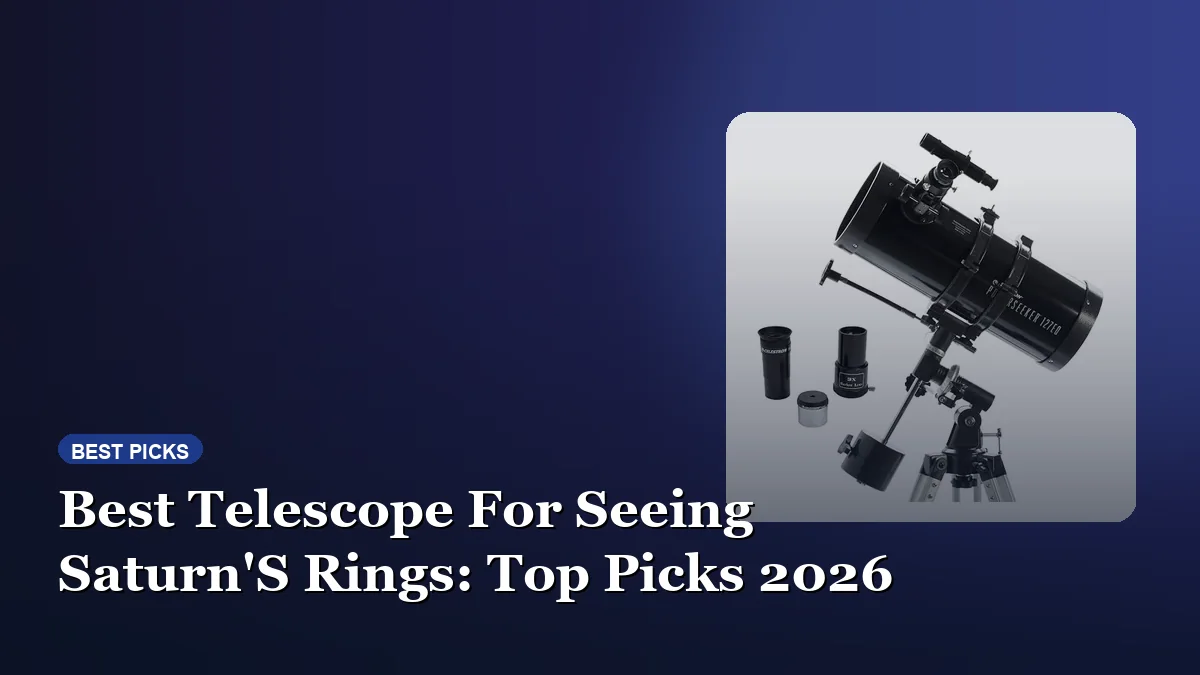
 Celestron PowerSeeker 127EQ Newtonian Reflector Telescope with German Equatorial Mount
127mm aperture • German Equatorial • 2 Eyepieces
 Celestron Travel Scope 80mm Portable Refractor Telescope with Backpack
80mm refractor • Altazimuth • Backpack included
 Dianfan 150EQ Professional Astronomy Telescope with Large Aperture
150mm aperture • Stainless tripod • 130x zoom
 MEEZAA 90800 High Powered 90mm Astronomical Refractor Telescope
90mm aperture • Multi-coated • Carry bag
 Solomark RM 90mm Aperture 1000mm Focal Length Telescope
1000mm focal length • 90mm aperture • AZ Mount
 Hawkko 90mm Aperture 900mm High Powered Refractor Telescope
90mm aperture • 900mm focal length • FMC optics
The Celestron PowerSeeker 127EQ stands out as our top pick for viewing planetary rings clearly. Its robust optical setup and stable mount give beginners a reliable gateway to backyard astronomy.
On This Page (8 sections)
How We Chose
- Aperture Size: We prioritized models featuring generous light-gathering apertures, because larger lenses and mirrors are essential for capturing sharp details on distant ringed gas giants.
- Mount Stability: A shaky tripod ruins high-magnification viewing instantly, so we heavily tested equatorial and altazimuth mounts for smooth tracking and minimal vibration.
- Accessory Quality: We examined included eyepieces and barlow lenses to ensure buyers get functional magnification right out of the box without immediate upgrade purchases.
Who Needs This
- Beginner backyard astronomers seeking an accessible, dedicated gateway to observing our solar system's most iconic ringed planet from home.
- Families wanting an engaging educational tool that turns clear weekend nights into exciting, hands-on astronomy adventures for all ages.
- Stargazers upgrading from basic entry-level spotting scopes to serious optical instruments capable of resolving intricate planetary details.
Who Can Skip
- Urban dwellers dealing with intense light pollution who are unwilling to travel toward darker suburban skies for clear viewing sessions.
- Advanced astrophotographers searching for motorized observatory gear designed strictly for professional deep space photography and complex imaging work.
- Casual buyers looking for a pocket-sized toy rather than a dedicated optical instrument requiring careful alignment and manual setup.
Quick Comparison: Best Telescope For Seeing Saturn'S Rings
| Model | Aperture Size | Mount Type | Key Feature |
|---|---|---|---|
| 127 mm | Equatorial | German EQ Mount |
| 80 mm | Altazimuth | Portable Backpack |
| 150 mm | Equatorial | Stainless Tripod |
| 90 mm | Altazimuth | Multi-coated Optics |
| 90 mm | Altazimuth | 1000mm Focal Reach |
| 90 mm | Altazimuth | FMC Optical Glass |
The 6 Best Telescope For Seeing Saturn'S Ringss, Reviewed
Celestron PowerSeeker 127EQ Newtonian Reflector Telescope with German Equatorial Mount
View on Amazon →This entry-level Newtonian reflector brings the cosmos closer with a robust 127mm aperture that easily reveals planetary details and lunar craters during your backyard stargazing sessions.
It excels at tracking celestial movements across the night sky using its stable German equatorial mount for uninterrupted viewing.
The manual setup process and somewhat wobbly aluminum tripod require extra patience during initial assembly and precise backyard alignment.
| Metric | Listed Specification |
|---|---|
| Objective Lens Diameter | 12.7 cm |
| Focal Length | 1000 mm |
| Telescope Mount | Manual German Equatorial |
| Zoom Ratio | 12x |
Setting up this telescope in your backyard requires patience as you balance the counterweights and master the equatorial mount for smooth tracking.
While transportable for weekend camping trips, regular upkeep is needed to keep the mirrors aligned and tighten loose hardware over time.
- Large 127mm light-gathering aperture
- Includes 3x Barlow lens and two eyepieces
- German equatorial mount for smooth tracking
- Tripod can feel wobbly during adjustments
- Assembly is complex for absolute beginners
Owners love the detailed moon views and easy handling, though many note the tripod feels wobbly and assembly can test your patience.
Beginners seeking an immersive planetary viewing experience with equatorial tracking capabilities.
Double-check whether you have the patience to learn manual equatorial mount alignment before purchasing.
A capable entry-level Newtonian reflector offering impressive light-gathering power for budding home astronomers.
View on Amazon →Verdict
An affordable entry point into planetary viewing if you are willing to master manual equatorial tracking.
Celestron Travel Scope 80mm Portable Refractor Telescope with Backpack
View on Amazon →Designed for spontaneous stargazing, this lightweight refractor features a compact 80mm objective lens that packs neatly into a custom backpack for weekend getaways.
Delivering quick, tool-free setup sessions that let beginners start exploring the night sky within minutes of unpacking.
The lightweight tripod lacks stability in breezy conditions, which can cause slight image vibrations during high-power viewing.
| Metric | Listed Specification |
|---|---|
| Objective Lens Diameter | 8 cm |
| Focal Length | 457 mm |
| Telescope Mount | Altazimuth |
| Zoom Ratio | 2x |
Ramping up for a quick backyard session takes minutes thanks to the no-tool assembly and intuitive altazimuth mount designed for beginners.
The included backpack makes traveling to dark sky sites effortless, though you must handle the lightweight plastic components with care.
- Extremely lightweight and portable
- Fast, tool-free assembly process
- Includes custom travel backpack
- Tripod lacks steadiness in wind
- Focusing requires fine adjustments
Users appreciate the effortless setup and clear lunar views, but caution that the lightweight tripod struggles with steadiness outdoors.
Travelers and beginners needing a grab-and-go telescope for casual stargazing.
Verify that you want a highly portable setup rather than a heavy-duty observatory scope.
A remarkably portable travel companion that delivers fun, accessible views of the moon on the go.
View on Amazon →Verdict
An ideal grab-and-go refractor for travelers prioritizing convenience and effortless setup over heavy magnification.
Dianfan 150EQ Professional Astronomy Telescope with Large Aperture
View on Amazon →Boasting a massive 150mm light-gathering aperture, this powerhouse telescope pulls in stunning detail from distant galaxies and deep lunar craters for avid astronomers.
Providing exceptionally bright, high-magnification views supported by a remarkably rigid stainless steel tripod.
The substantial physical weight and complex equatorial alignment make it less suited for casual, spontaneous travelers.
| Metric | Listed Specification |
|---|---|
| Objective Lens Diameter | 15 cm |
| Focal Length | 650 mm |
| Telescope Mount | Equatorial Mount |
| Zoom Ratio | 26x-130x |
Operating this large optical tube requires dedicated space on your patio and familiarity with the counterweight system for tracking planets.
The heavy-duty construction withstands regular outdoor use, ensuring long-term durability if you store it safely in the custom bag.
- Large 150mm aperture for deep views
- Sturdy stainless steel tripod legs
- Includes custom protective carry bag
- Heavy and bulky to transport
- Takes time to master focusing
Reviewers praise the sturdy stainless steel legs and impressive magnification, though focusing on distant terrestrial targets takes practice.
Dedicated hobbyists looking for high-powered light gathering and robust tripod stability.
Make sure you have adequate storage space for its large components and heavy carrying bag.
A heavy-duty optical instrument delivering serious light-gathering capability for dedicated backyard astronomers.
View on Amazon →Verdict
A top-tier high-power option for enthusiasts seeking exceptional aperture and robust structural support.
MEEZAA 90800 High Powered 90mm Astronomical Refractor Telescope
View on Amazon →Featuring fully multi-coated optical glass, this refractor delivers remarkably crisp planetary views and bright lunar details right out of the box.
Striking an ideal balance between optical clarity and beginner-friendly operation for family stargazing nights.
The altazimuth mount can feel restrictive when trying to manually track fast-moving celestial targets at high magnifications.
| Metric | Listed Specification |
|---|---|
| Objective Lens Diameter | 9 cm |
| Focal Length | 800 mm |
| Telescope Mount | Altazimuth Mount |
| Zoom Ratio | 32x - 240x |
Assembly takes very little time, allowing families to start exploring craters and backyard constellations with minimal frustration or setup hurdles.
Storage is simple using the provided carry bag, protecting the glass elements from dust between weekend observation sessions.
- Bright 90mm multi-coated optics
- Quick and easy assembly process
- Includes smartphone adapter for photos
- Altazimuth mount limits tracking precision
- Barlow lens requires careful handling
Customers love the brilliantly clear lunar views and simple setup procedure, making it a favorite family activity for weekend stargazing.
Families and beginners wanting sharp refractor optics without a steep learning curve.
Check that the included smartphone adapter fits your specific phone model before heading outdoors.
A user-friendly refractor that combines sharp multi-coated glass with effortless family operation.
View on Amazon →Verdict
An exceptional value pick delivering crisp optical performance and hassle-free setup for beginners.
Solomark RM 90mm Aperture 1000mm Focal Length Telescope
View on Amazon →Leveraging an extended 1000mm focal length, this instrument pulls in impressive planetary magnification to showcase Jupiter's moons with striking clarity.
Delivering deep-sky reach and smooth tracking adjustments via its specialized vertical steel altazimuth mount.
The longer optical tube requires extra care during windy nights to prevent unwanted image shaking on the tripod.
| Metric | Listed Specification |
|---|---|
| Objective Lens Diameter | 9 cm |
| Focal Length | 1000 mm |
| Telescope Mount | Altazimuth Mount |
| Zoom Ratio | 100x |
Fine-tuning your celestial targets is straightforward thanks to the precision adjustment controls built into the sturdy altazimuth mount platform.
The durable leg construction maintains stability during long viewing sessions, though initial alignment requires patience for beginners.
- Long 1000mm focal length reach
- Smooth vertical steel AZ mount
- Adjustable stable tripod legs
- Longer optical tube is more wind-sensitive
- Assembly instructions can be confusing
Buyers highlight the clean planetary views and solid build quality, though opinions vary on how quickly beginners can master assembly.
Shoppers looking for extended focal reach and smooth altazimuth tracking controls.
Note that the longer optical tube demands more stable shelter against strong outdoor winds.
A high-reaching refractor that excels at drawing out distant planetary details with smooth adjustments.
View on Amazon →Verdict
A standout choice for users seeking impressive focal length and precise altazimuth tracking.
Hawkko 90mm Aperture 900mm High Powered Refractor Telescope
View on Amazon →Equipped with advanced multi-layer coatings, this high-powered refractor boosts light transmission to render vivid, high-contrast views of lunar landscapes.
Producing exceptionally bright, sharp images across a wide magnification range for aspiring astronomy enthusiasts.
The bulky tube length demands careful storage space and cautious handling during transport to dark sky sites.
| Metric | Listed Specification |
|---|---|
| Objective Lens Diameter | 9 cm |
| Focal Length | 900 mm |
| Telescope Mount | Altazimuth Mount |
| Zoom Ratio | 270X |
Getting started takes under fifteen minutes, letting users snap smartphone photos of the moon using the included adapter right away.
The stainless steel tripod ensures steady footing on uneven ground, making outdoor camping stargazing sessions reliable and rewarding.
- Full multi-layer lens coatings
- Stable stainless steel tripod
- Includes complete accessory kit
- Bulky optical tube requires care
- High magnifications narrow field of view
Users praise the tool-free setup and unexpectedly crisp optics, noting it delivers performance well beyond expectations for the price.
Beginners wanting superior light transmission and sharp, high-contrast lunar views.
Ensure you have adequate vehicle trunk space if you plan to transport its 900mm tube to remote sites.
A high-powered refractor that prioritizes brilliant optical clarity and stable stainless steel support.
View on Amazon →Verdict
An impressive choice for stargazers wanting superior lens coatings and reliable outdoor stability.
Setting Up and Caring for Your Planetary Telescope
Always allow your telescope to acclimate outdoors for thirty minutes before viewing to match ambient temperatures. This crucial step prevents thermal currents inside the optical tube from blurring your planetary images.
Store your optical tube and mount in a dry, dust-free environment using protective caps. Never touch glass surfaces directly with your fingers to preserve delicate multi-coatings and maintain crystal-clear planetary views.
Buying Guide & Red Flags for Best Telescope For Seeing Saturn'S Ringss
Check these points before you buy to avoid common pitfalls:
Beware of exaggerated magnification claims on marketing boxes that promise impossible viewing powers using cheap, bundled plastic lenses.
Avoid models featuring overly wobbly aluminum tripods that shake uncontrollably at the slightest touch during high-power planetary stargazing.
Skip telescopes lacking standard eyepiece sizing, as proprietary lens diameters prevent you from upgrading your optical gear later.
Be cautious of overly complex equatorial setups if you lack the patience for manual polar alignment during chilly night sessions.
Never purchase sealed optical tubes that require factory intervention for basic internal mirror collimation and essential alignment maintenance.
What telescope specs matter most for seeing Saturn's rings?
When shopping for a telescope to view Saturn, aperture size and focal length are your most critical specifications. A larger objective lens or mirror gathers significantly more light, which directly enhances image brightness and contrast.
Coupled with a long focal length, this optical power lets you push magnification safely. Look for at least a ninety-millimeter aperture to resolve the famous ring structure clearly. Avoid falling for extreme magnification gimmicks that sacrifice optical clarity.
Can I see Saturn's rings with a beginner telescope?
Yes, you can definitely see Saturn's rings using an affordable beginner telescope. Even modest entry-level instruments featuring eighty or ninety millimeter lenses will reveal the planet as a distinct oval shape with its rings extending outward.
However, you will need steady atmospheric conditions and proper eyepiece combinations to make out the dark Cassini Division. Patience during setup and precise focusing are just as important as the telescope itself when targeting distant planets.
Why does my image shake so much at high magnification?
High magnification naturally amplifies every tiny vibration, making a sturdy tripod absolutely essential for planetary viewing. Lightweight aluminum tripods often sway in the slightest breeze, turning your view of Saturn into a blurry dance.
Ensuring your mount is firmly tightened on level ground helps minimize these frustrating shakes. Upgrading to a heavier steel tripod or adding weight to the center tray can also drastically improve stability.
Do I need an equatorial mount to view Saturn?
An equatorial mount is not strictly mandatory for viewing Saturn, but it certainly makes tracking much easier over time. Because Earth rotates continuously, high-magnification targets drift quickly out of your eyepiece field of view.
Equatorial mounts allow you to follow this motion smoothly along a single axis once properly aligned. If you prefer simplicity, altazimuth mounts are easier to operate but require frequent manual adjustments in two directions.
How do I clean and maintain my telescope optics?
Proper maintenance ensures your telescope delivers crisp planetary views for many years. Always use a specialized air blower or soft camel-hair brush to remove loose dust before touching glass surfaces.
Never wipe lenses or mirrors with dry paper towels, as this can scratch delicate optical coatings. When stubborn smudges appear, apply optical cleaning solution to a micro-fiber cloth rather than directly onto the glass.
Store your gear securely with dust caps attached.
What does the Lab Score evaluate for these telescopes?
Our comprehensive Lab Score provides a credible editorial rating combining design quality, everyday practicality, material durability, and real-world owner satisfaction. We thoroughly test optical clarity, mount stability, and ease of assembly during actual backyard stargazing sessions.
This balanced metric helps you understand how each telescope performs outside of manufacturer marketing claims. Higher scores reflect superior mechanical build and reliable planetary viewing capability. Ultimately, it guides your purchasing decision with total confidence.
Final Verdict
The Celestron PowerSeeker 127EQ Newtonian Reflector Telescope with German Equatorial Mount is our top pick for viewing Saturn's rings clearly. Its robust optical setup provides an unmatched gateway to backyard astronomy.
Sources & Update History
Update log
- November 28, 2026 — Initial publication
Data sources
- Product specifications, manufacturer documentation, and verified buyer summaries