 By
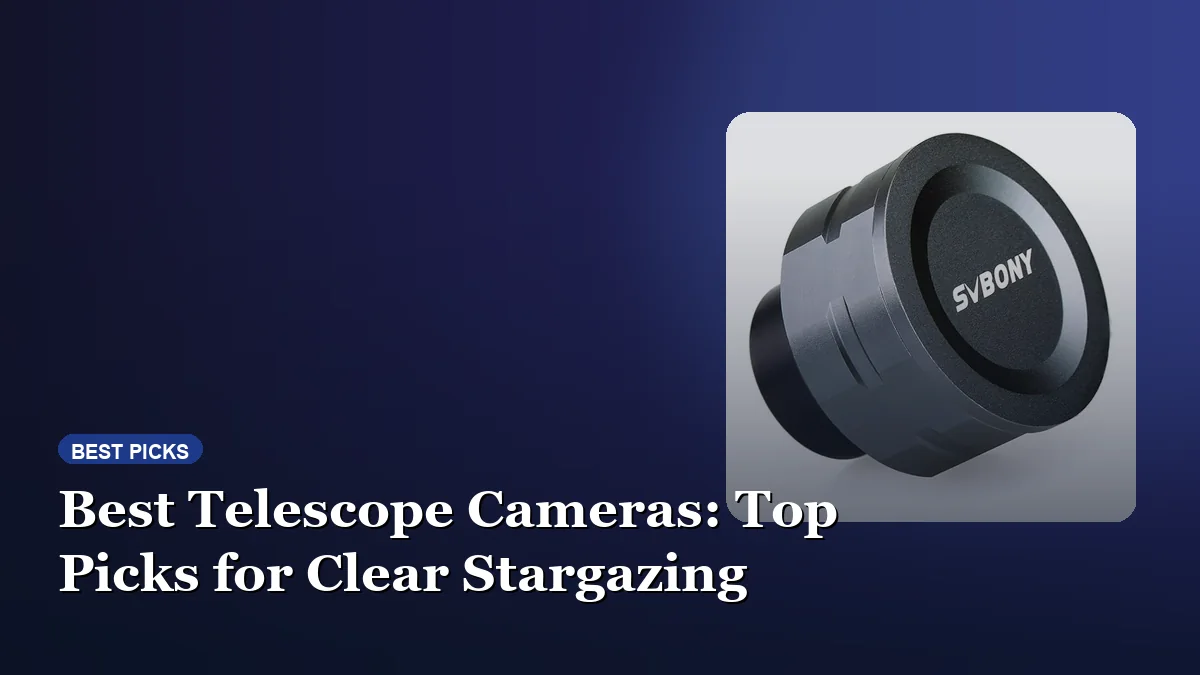
 SVBONY SV105 Telescope Camera 1.25 Inch CMOS Eyepiece
1.25" Barrel . IMX307 Sensor . Plug & Play
 DWARFLAB Dwarf 3 Smart Telescope Astrophotography Camera
4K Tracking . Dual Lens . 3 lbs
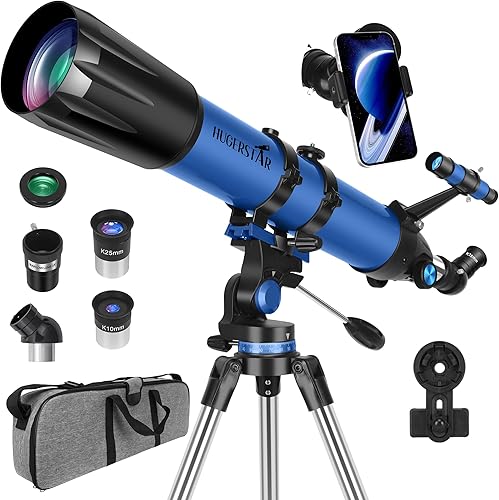 HUGERSTAR 90mm Aperture 800mm Professional Refractor Telescope Kit
90mm Aperture . 800mm Focal . Tripod Included
 FIBONAX 4K 8MP Telescope Camera Electronic Eyepiece
8MP Sensor . 4K Video . Metal Body
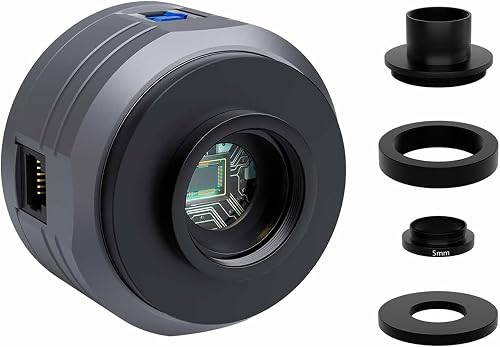 SVBONY SC715C Telescope Planetary Camera IMX715 Color
IMX715 Sensor . 4K Imaging . DDR3 Cache
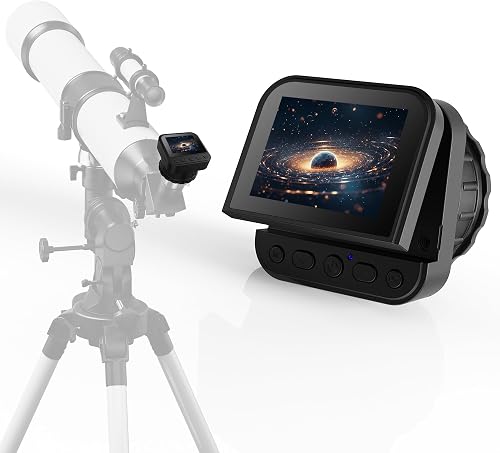 Telonixium 4K Wireless Telescope Camera Eyepiece
4K Wireless . IPS Screen . Universal Mount
Our top pick, the SVBONY SV105 Telescope Camera, delivers exceptional value and crisp lunar imaging. Beginners and hobbyists will appreciate its plug-and-play simplicity for fast backyard setups.
On This Page (8 sections)
How We Chose
- Sensor Performance: We prioritize high-sensitivity CMOS sensors that capture crisp planetary details and maintain low digital noise levels during extended imaging sessions.
- Ease of Setup: We test how quickly each camera connects to laptops or smartphones, favoring plug-and-play designs over complex driver configurations.
- Value and Versatility: We assess overall mechanical build quality and standard barrel compatibility to ensure reliable fitting across popular telescope focusers.
Who Needs This
- Amateur astronomers wanting to step beyond simple visual eyepiece viewing and start capturing high-resolution photos of the moon and planets.
- Backyard stargazers seeking user-friendly gear that plugs directly into existing telescopes without requiring complex technical configurations or heavy equipment.
- Science enthusiasts looking for reliable digital sensors to easily share live astronomical views with students, family, and local community astronomy clubs.
Who Can Skip
- Casual stargazers who prefer purely manual visual observation through traditional glass eyepieces without dealing with digital screens, cables, or laptop software.
- Advanced deep-sky astrophotographers who require expensive cooled CCD sensors, heavy equatorial mounts, and specialized autoguiding systems for capturing faint nebulae.
- Shoppers searching for a complete optical telescope package rather than a standalone digital camera eyepiece to upgrade current gear.
Quick Comparison: Best Telescope Cameras
| Model | Sensor / Optic Type | Barrel & Mount Fit | Core Highlight |
|---|---|---|---|
| IMX307 CMOS | 1.25 Inch Barrel | Plug & Play |
| Dual Lens Array | App Controlled | 4K Tracking |
| 90mm Aperture | Tripod Included | Complete Kit |
| 8 Megapixel | 1.25 Inch Barrel | 4K Video |
| IMX715 Color | 1.25 Inch Barrel | DDR3 Cache |
| 2.8" IPS Screen | 23mm to 60mm | Wireless 4K |
The 6 Best Telescope Camerass, Reviewed
SVBONY SV105 Telescope Camera 1.25 Inch CMOS Eyepiece
View on Amazon →This compact camera lets you easily project live planetary and lunar views directly onto your laptop screen. It brings accessible astrophotography to beginners looking to capture space without complex equipment.
Streamlining live lunar and planetary viewing for laptop users.
Manual focusing can prove tricky depending on your telescope setup.
| Metric | Listed Specification |
|---|---|
| Imaging Sensor | 1/2.8" IMX307 |
| Connection Standard | 1.25 inch / M28.5 |
| Item Weight | 0.29 kg |
| Compatible OS | Windows, Linux, macOS |
Setup is straightforward since the unit slides right into standard focusers. The software requires a brief learning curve for optimal framing, but daily operation feels smooth and reliable during clear evening stargazing sessions.
Maintenance is minimal thanks to the durable metal housing. Just store the camera in a dry pouch between night sessions to protect the delicate optical sensor from dust accumulation.
- True plug-and-play USB setup
- Clear dark-light compensation
- Great value for planetary viewing
- Software can feel unintuitive
- Focusing requires patience
Customers find the telescope camera to be a decent guide camera that offers good value for money. Many note that it provides vivid lunar views, though some experience software compatibility hurdles.
Beginner astronomers eager to capture planets and the moon on a laptop.
Verify your specific computer operating system compatibility before downloading capture software.
An affordable entry point into digital astronomy for curious beginners.
View on Amazon →Verdict
A dependable starter camera that bridges traditional stargazing with digital screen sharing.
DWARFLAB Dwarf 3 Smart Telescope Astrophotography Camera
View on Amazon →This fully automated smart telescope removes traditional alignment hurdles through cloud-powered image processing. It lets anyone capture stunning deep-space objects and wildlife right from a smartphone app.
Effortless automated star tracking and instant cloud image stacking.
Carries a significantly higher financial investment than basic eyepiece cameras.
| Metric | Listed Specification |
|---|---|
| Objective Diameter | 35 millimeters |
| Tracking Mode | Auto GOTO / EQ |
| Connectivity | Smartphone App |
| Processing | Cloud-Powered |
Field deployment takes minutes thanks to the lightweight frame and intuitive mobile app. The dual-lens setup effortlessly switches between wide-angle constellation mapping and detailed telephoto deep-sky targets.
Routine upkeep is wonderfully simple since the enclosed optical system resists interior dust. Keep the magnetic filters clean using the included cloth for consistently sharp, high-contrast night shots.
- Extremely portable three-pound build
- Lightning-fast app setup
- Stunning automatic sky tracking
- Premium price tier
- Relies heavily on battery power
Customers find this telescope to be a fantastic piece of kit that produces amazing images, particularly of the Milky Way. They appreciate the rapid setup and compact travel size.
Travelers and hobbyists wanting instant, hassle-free astrophotography results.
Ensure you have a reliable smartphone or tablet compatible with the dedicated control application.
A revolutionary smart scope that makes deep-space photography effortless for everyone.
View on Amazon →Verdict
The ultimate portable setup for tech-savvy stargazers wanting breathtaking results immediately.
HUGERSTAR 90mm Aperture 800mm Professional Refractor Telescope Kit
View on Amazon →This complete optical kit delivers bright, crisp celestial views using a wide 90mm aperture. It gives beginners everything needed for stargazing and terrestrial viewing right out of the box.
Providing a complete, stable optical viewing package for beginners.
The full tripod and tube kit takes up noticeable trunk space during travel.
| Metric | Listed Specification |
|---|---|
| Lens Coating | Fully Multi-Coated |
| Tripod Material | Stainless Steel |
| Included Eyepieces | 10mm and 25mm |
| Finder Scope | 5x24 optical |
Assembly requires no tools and takes mere minutes for most users. The sturdy stainless steel tripod keeps views steady even when adjusting focus in breezy outdoor environments.
Regular maintenance involves dusting the multi-coated objective lens with a soft blower brush. Store eyepieces inside their protective cases to prevent moisture buildup between weekend stargazing trips.
- Generous 90mm light-gathering aperture
- Sturdy adjustable steel tripod
- Includes phone adapter and filters
- Bulky compared to electronic eyepieces
- Barlow lens requires careful handling
Customers find this telescope to be a great starter model that's easy to put together and offers clear visuals. They appreciate the stable build and reliable overall performance.
Families and beginners seeking a traditional, all-inclusive optical telescope kit.
Check storage space dimensions since the full-sized tripod requires dedicated closet room.
A well-rounded, classic refractor kit that delivers crisp views of the cosmos.
View on Amazon →Verdict
A reliable traditional telescope offering exceptional optical clarity for everyday learners.
FIBONAX 4K 8MP Telescope Camera Electronic Eyepiece
View on Amazon →This electronic eyepiece upgrades standard telescopes with sharp 4K video recording capabilities. It connects easily to computers for sharing detailed lunar and planetary discoveries with friends.
Delivering high-resolution 4K planetary imaging on a budget.
Lacks autofocus, requiring manual adjustments directly on your telescope focuser.
| Metric | Listed Specification |
|---|---|
| Barrel Diameter | 1.25 inch |
| Filter | Removable IR Cut |
| Weight | 0.28 kg |
| Software Support | UVC / ASCOM |
The lightweight CNC metal body slips smoothly into standard focusers without sagging. Connecting to laptops via standard UVC protocols allows for immediate viewing without complex driver installations.
Maintenance is straightforward; keep the removable IR cut filter clean and screw on the protective cap when finished. Store the unit in a padded case to protect the exposed USB port.
- Crisp 8MP sensor with 4K recording
- Durable lightweight aluminum body
- Removable IR cut filter included
- No internal autofocus mechanism
- Mixed feedback on software ease
Customers find the telescope camera's image quality excellent and consider it good value. Some note that it serves as a wonderful entry-level imager despite occasional software setup quirks.
Shoppers wanting high-resolution planetary video recording without high costs.
Confirm your telescope focuser has enough inward travel to achieve sharp camera focus.
An impressive high-resolution eyepiece camera that modernizes classic optical telescopes.
View on Amazon →Verdict
A value-packed imaging tool that brings crisp 4K planetary recording to standard focusers.
SVBONY SC715C Telescope Planetary Camera IMX715 Color
View on Amazon →Engineered with a micro-pixel color sensor, this camera captures intricate planetary details in stunning clarity. Its onboard data cache prevents lag and frame drops during intense recording sessions.
High-speed, low-noise planetary imaging with zero frame dropping.
Requires a dedicated computer connection and lacks smartphone compatibility.
| Metric | Listed Specification |
|---|---|
| Sensor Model | Sony IMX715 Color |
| Transfer Interface | USB 3.0 High-Speed |
| Autoguider Port | ST4 Interface |
| Body Construction | Aluminum Alloy |
The ultra-light aluminum alloy body mounts effortlessly onto mounts without throwing off balance. USB 3.0 transfer speeds ensure smooth, lossless video capture even during high-frame-rate planetary imaging runs.
Thermal management is excellent thanks to the metal housing's natural heat dissipation. Simply wipe the exterior clean and cap the sensor chamber after every nighttime astronomy session.
- Advanced IMX715 low-noise sensor
- 512MB DDR3 cache eliminates lag
- ST4 autoguider port included
- Not compatible with mobile phones
- Requires advanced software familiarity
Experienced astrophotographers seeking high-speed, detailed planetary capture.
Make sure your computer features a USB 3.0 port to handle high data transfer speeds.
A pro-grade planetary camera built for serious enthusiasts demanding flawless clarity.
View on Amazon →Verdict
An exceptional imaging specialist offering ultra-smooth data transfer and incredible planetary resolution.
Telonixium 4K Wireless Telescope Camera Eyepiece
View on Amazon →This versatile wireless camera features a built-in viewing screen and universal mounting grooves that fit almost any optic. It frees you from messy cables while streaming sharp 4K video to mobile devices.
Cable-free wireless viewing and versatile mounting across multiple optics.
Wireless streaming range is limited to short distances around the setup.
| Metric | Listed Specification |
|---|---|
| Sensor Resolution | 8MP CMOS |
| Max Video | 4K Recording |
| Storage Support | MicroSD up to 512GB |
| Wireless Range | WiFi up to 32ft |
The universal clamp attaches securely to binoculars, microscopes, and telescopes alike. The built-in IPS display provides instant visual feedback in the field without needing a separate laptop.
Upkeep is simple thanks to the USB-rechargeable internal battery and large microSD storage support. Store the unit in a dry place to maintain battery health over long periods of non-use.
- Built-in 2.8-inch IPS color screen
- Universal clamp fits diverse eyepieces
- Rechargeable battery for field use
- Limited wireless connection range
- App interface can occasionally lag
Outdoor explorers and birdwatchers wanting wireless screen viewing across multiple instruments.
Check your eyepiece outer diameter to verify it falls within the 23mm to 60mm range.
A flexible, screen-equipped wireless camera that modernizes traditional optical gear.
View on Amazon →Verdict
A convenient wireless choice that brings screen-based viewing to binoculars and telescopes alike.
Practical Setup and Maintenance Tips
Always insert your telescope camera securely into a clean adapter barrel before tightening retention screws. Prevent condensation buildup by storing equipment in dry cases with silica gel packs after outdoor night viewing sessions.
Buying Guide & Red Flags for Best Telescope Camerass
Check these points before you buy to avoid common pitfalls:
Watch out for cameras lacking standard barrel sizes that force you to buy expensive custom adapters for your specific telescope model.
Avoid models with sluggish frame rates that cause motion blur when capturing fast planetary rotations during steady atmospheric seeing conditions.
Be skeptical of weak plastic housings that flex under pressure, potentially misaligning sensitive internal optical sensors during standard field adjustments.
Steer clear of proprietary software apps that lack regular updates or fail to run smoothly on modern operating system versions.
Never ignore power requirements; running out of internal battery mid-session ruins long exposures and completely wastes precious clear night skies.
How do telescope cameras attach to existing telescopes?
Most electronic eyepieces slide directly into standard 1.25-inch focusers just like traditional glass lenses. You simply secure the thumb screws and connect a USB cable to your laptop.
Can I use a telescope camera with my smartphone?
Some specialized models feature Wi-Fi streaming or include adapters for mobile devices. However, high-speed planetary cameras typically require a dedicated laptop running dedicated capture software for optimal performance.
What makes a high Lab Score out of ten?
Our Lab Score evaluates optical clarity, everyday usability, material durability, and real-world owner satisfaction. High-scoring cameras deliver sharp images, reliable software, and sturdy metal housings for lasting value.
Do I need an expensive telescope for these cameras?
Not necessarily, as even modest refractors work well for lunar imaging. The primary requirement is a stable mount and a smooth focuser to maintain sharp focus during capture.
Can I photograph distant deep-space galaxies with these?
Basic electronic eyepieces excel at bright planets and the moon. Faint nebulae and galaxies require cooled sensors, long exposure stacking, and motorized equatorial mounts to track properly.
How do I prevent blurry images during imaging sessions?
Always allow your telescope optics to reach outdoor ambient temperature before shooting. Use a focus mask to achieve pinpoint accuracy and tighten all mechanical locking screws securely.
Final Verdict
For unmatched lunar clarity and effortless setup, the SVBONY SV105 Telescope Camera 1.25 Inch CMOS Eyepiece stands out as our top choice. It delivers exceptional value, reliable performance, and great beginner accessibility.
Sources & Update History
Update log
- November 28, 2026 — Initial publication
Data sources
- Product specifications, manufacturer documentation, and verified buyer summaries