 By
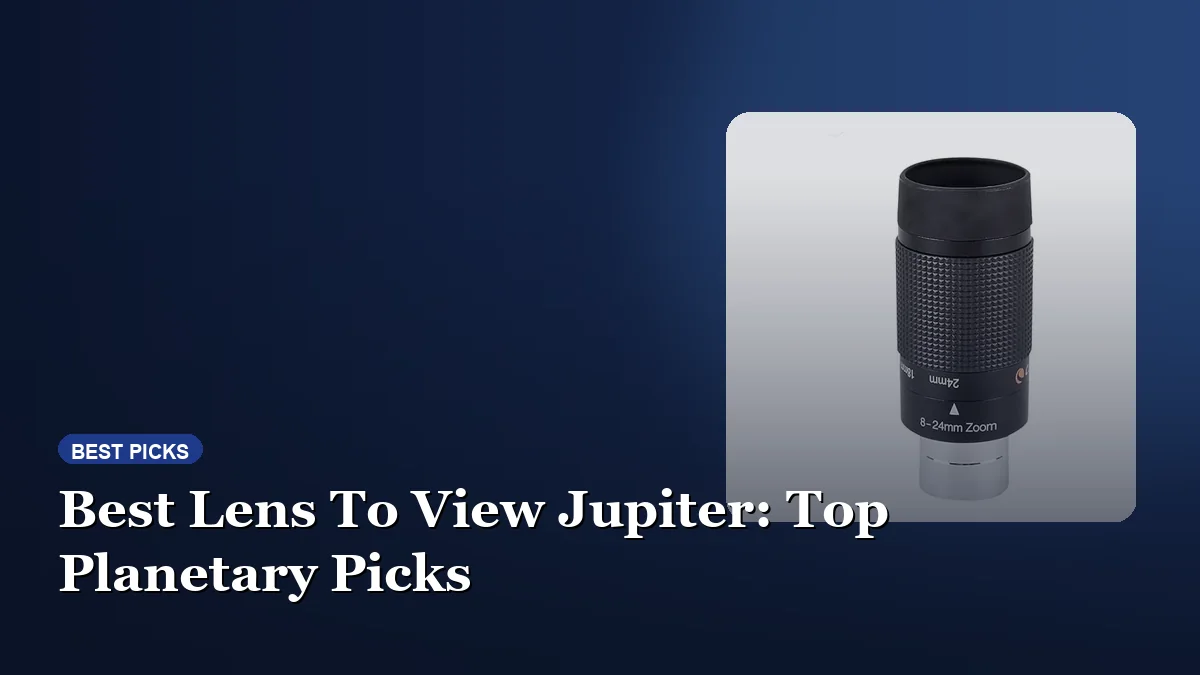
 Celestron 8-24mm Zoom Telescope Eyepiece with Fully Multi-Coated Optics
8-24mm Zoom / Multi-Coated / 1.25-inch
 Svbony SV135 Zoom Telescope Eyepiece 7-21mm FMC Astronomy Lens
7-21mm Zoom / 6-Element / 1.25-inch
 SVBONY SV154 Telescope Eyepiece 2 inch Super Wide Angle Lens
26mm Focal / 70° SWA / 2-inch Barrel
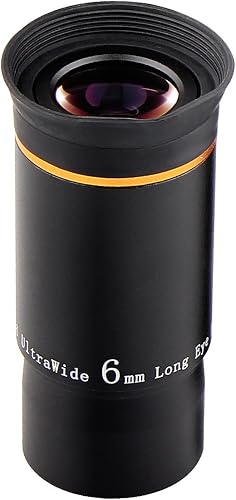 SVBONY Telescope Eyepiece 6mm Gold Line Ultra Wide Angle
6mm Focal / 66° SWA / 16mm Relief
 SVBONY Telescope Eyepiece 6mm Focal Length Ultra Wide Angle
6mm Focal / 68° SWA / All-Metal
 Smart Telescopes Astronomy 70mm 300mm Refractor Telescope For Adults
70mm Aperture / HD Screen / 120x Zoom
Finding the ideal glass for gas giants depends on local seeing conditions and your telescope mount. Our top overall recommendation is the Celestron 8-24mm Zoom Telescope Eyepiece, which offers instant magnification shifts.
On This Page (8 sections)
How We Chose
- Glass Quality: We test multi-coated lenses that minimize chromatic aberration and maximize contrast for gas giant details.
- Magnification Range: We prioritize versatile focal lengths that adapt smoothly to unstable atmospheric seeing conditions.
- Owner Reliability: Verified buyer feedback highlights mechanical durability and long-term value for backyard stargazers.
Who Needs This
- Backyard astronomers wanting to spot the Great Red Spot and cloud bands.
- Observers dealing with fluctuating local seeing conditions who need rapid zoom adjustments.
- Shoppers upgrading from cheap stock eyepieces for noticeably sharper planetary views.
Who Can Skip
- Casual stargazers who are completely satisfied with basic starter lenses included in their kit.
- Users whose telescopes lack compatible focusers for specialized wide-angle specialty glass.
- Advanced astrophotographers relying exclusively on dedicated camera rigs rather than visual lenses.
Quick Comparison: Best Lens To View Jupiter
| Model | Zoom Range / Focal Length | Barrel Size / Field | Key Optical Feature |
|---|---|---|---|
| 8-24mm Zoom | 1.25-inch / 55° | Fully Multi-Coated |
| 7-21mm Zoom | 1.25-inch / 57° | 6-Element Design |
| 26mm Focal | 2-inch / 70° | Super Wide Angle |
| 6mm Focal | 1.25-inch / 66° | Comfortable Relief |
| 6mm Focal | 1.25-inch / 68° | All-Metal Housing |
| 300mm Focal | 70mm Aperture | Built-in HD Screen |
The 6 Best Lens To View Jupiters, Reviewed
Celestron 8-24mm Zoom Telescope Eyepiece with Fully Multi-Coated Optics
View on Amazon →Seamlessly shift magnifications without swapping glass in the dark. This versatile zoom delivers bright, high-contrast Jupiter views and crisp lunar details using standard 1.25-inch telescope mounts.
Delivers instant magnification adjustments for changing atmospheric seeing conditions, letting you quickly track Jupiter across the night sky without hassle.
The field of view feels somewhat narrow at the lowest 24mm setting, requiring frequent target recentering during long sessions.
| Metric | Listed Specification |
|---|---|
| Focal Length | 8mm to 24mm |
| Field of View | 55 degrees |
| Coatings | Fully Multi-Coated |
| Barrel | 1.25" Standard |
Twisting the barrel lets you quickly dial in the ideal magnification for Jupiter without fumbling with multiple lenses in the dark. Setup is straightforward on any standard 1.25-inch focuser.
Built with sturdy materials and anti-reflective coatings, this eyepiece handles frequent outdoor stargazing sessions well. Periodic lens cleaning keeps the crisp optical performance intact for long-term planetary viewing.
- Smooth twist zoom operation
- Fully multi-coated optics
- Fits standard focusers
- Narrow field at 24mm
- Larger body profile
Customers find this telescope eyepiece to be a great addition to their equipment, offering smooth zoom operation and working well with various telescopes. The eyepiece provides crisp clear views.
Stargazers wanting versatile magnification without swapping multiple fixed eyepieces during cold night viewing sessions outdoors in your backyard.
Confirm your telescope accepts standard 1.25-inch accessories before ordering this flexible zoom lens for your backyard stargazing setup.
An essential multi-use zoom eyepiece that simplifies backyard planetary observing sessions for both beginners and experienced astronomers.
View on Amazon →Verdict
The ultimate convenience for stargazers seeking effortless planetary adjustments and crisp optical clarity during every single night.
Svbony SV135 Zoom Telescope Eyepiece 7-21mm FMC Astronomy Lens
View on Amazon →Explore planetary cloud bands on a budget with this adjustable zoom lens. It combines multi-coated glass elements into a standard barrel to simplify your nightly observing routine.
Provides affordable zooming flexibility for casual backyard astronomers seeking reliable planetary observation gear without high equipment costs.
Some users report varying clarity compared to dedicated single-focus lenses, demanding careful focal adjustments during your sessions.
| Metric | Listed Specification |
|---|---|
| Focal Range | 7mm to 21mm |
| Field of View | 57 degrees |
| Glass | Fully Multi-Coated |
| Body | All Metal |
The metal body feels sturdy in hand, and the zoom ring moves fluidly during viewing sessions. It easily slides into standard telescope focusers for quick stargazing readiness.
While budget-friendly, regular upkeep is recommended to secure the lens components. Proper care ensures lasting clarity for observing lunar surfaces and distant planets.
- Adjustable focal length
- Comfortable eye relief
- Full metal body
- Mixed edge sharpness
- Potential loose lens reports
Customers find the telescope eyepiece to be of high quality, well-built, and easy to use, with smooth zooming capabilities that eliminate the need to change eyepieces.
Budget-conscious beginners wanting adjustable magnification to explore distant planets without breaking their wallet on extra lenses.
Double-check lens retention tightness upon unboxing to ensure secure placement inside your telescope focuser tube securely.
A wallet-friendly zoom option that brings planets closer with minimal fuss for weekend stargazing enthusiasts everywhere.
View on Amazon →Verdict
A smart budget choice for exploring planetary details without spending a fortune on specialized telescope equipment upgrades.
SVBONY SV154 Telescope Eyepiece 2 inch Super Wide Angle Lens
View on Amazon →Immerse yourself in breathtaking cosmic vistas with this ultra-wide 70-degree eyepiece. Designed for larger focusers, it delivers expansive, high-contrast views of star fields and deep space.
Offers expansive panoramic viewing of vast celestial phenomena for an unforgettable stargazing experience outdoors at night.
Requires a compatible two-inch telescope focuser to mount properly, limiting use with smaller standard starter scopes.
| Metric | Listed Specification |
|---|---|
| Lens Structure | 5 Elements in 3 Groups |
| Coatings | Fully Multi-Coated |
| Filter Thread | 2-inch Standard |
| Item Weight | 305 g |
The generous 70-degree window makes locating distant targets feel effortless and immersive. A safety undercut on the barrel prevents accidental slips from your telescope diagonal.
Built with high-index glass and durable housing, this heavy-duty lens handles frequent night outings. Clean the coated surfaces gently to maintain brilliant contrast over years of use.
- Ultra-wide 70 degree view
- High-index glass optics
- Safety undercut barrel
- Requires 2 inch focuser
- Bulkier physical weight
Customers find the telescope eyepiece delivers a nice wide field view with good contrast and excellent sharpness. The build quality and overall performance exceed expectations.
Astronomers seeking panoramic, immersive views of large deep-sky objects and sprawling star fields overhead at night.
Verify your telescope supports bulky two-inch accessories before purchasing this wide-angle viewing lens online today.
A stellar wide-field eyepiece that transforms your nightly stargazing perspective into an immersive visual adventure outdoors.
View on Amazon →Verdict
The ideal panoramic lens for sweeping views of the night sky and breathtaking deep-space celestial formations.
SVBONY Telescope Eyepiece 6mm Gold Line Ultra Wide Angle
View on Amazon →Zoom in tightly on planetary features like Jupiter's cloud bands and Saturn's rings. This high-magnification lens features edge-blackened optics to banish internal glare and sharpen contrast.
Provides high-magnification planetary observation with comfortable eye relief for detailed lunar and planetary study sessions.
Narrower field compared to ultra-wide specialty eyepieces, requiring precise tracking of fast-moving celestial targets.
| Metric | Listed Specification |
|---|---|
| Coatings | Fully Multi-Coated |
| Optics | Edge Blackened |
| Barrel Size | 1.25 inch |
| Item Weight | 3.84 oz |
The comfortable 16mm eye relief lets you observe planetary details without pressing your glasses directly against the glass. Edge-blackened interiors noticeably cut down stray light reflections during night sessions.
Weighing very little, it balances effortlessly in standard focusers without straining your gear. Routine dusting protects the multi-coated glass and keeps sharp planetary images crystal clear.
- High 6mm magnification
- Long 16mm eye relief
- Anti-reflective FMC glass
- Limited to planetary targets
- Requires steady seeing
Customers find this telescope eyepiece provides a major jump in quality with clear, sharp views. They appreciate its wide field of view and good value for money.
Stargazers eager to inspect close-up planetary details and lunar craters with high optical precision at night.
Ensure your telescope handles high focal magnification effectively before adding this specialized lens to your kit.
A budget-friendly powerhouse for unlocking close-up planetary wonders without purchasing expensive fixed focal lenses.
View on Amazon →Verdict
A top planetary choice for sharp, high-magnification lunar viewing and detailed planetary observation sessions at home.
SVBONY Telescope Eyepiece 6mm Focal Length Ultra Wide Angle
View on Amazon →Enjoy an expansive 68-degree window while examining close-up planetary targets. Built with rugged all-metal housing, it provides comfortable viewing for extended stargazing sessions.
Delivers comfortable, wide-angle planetary observation with generous eye relief for seamless backyard stargazing sessions.
Heavier than standard plastic-housing starter eyepieces, requiring careful balance adjustment on your telescope mount.
| Metric | Listed Specification |
|---|---|
| Construction | All-Metal |
| Coatings | Fully Multi-Coated |
| Barrel | 1.25 inch |
| Item Weight | 5.6 oz |
The generous 17mm eye distance accommodates glasses wearers easily, preventing eye strain during long sessions. A rubber grip ring ensures secure handling even when operating outdoors in chilly weather.
The solid metal construction withstands frequent travel to dark sky campsites without issue. Periodic wiping of the multi-coated lens preserves optimal image clarity for planetary spotting.
- 68 degree wide angle
- 17mm long eye relief
- Durable metal build
- Heavier than basic models
- Strict focus tuning
Customers are blown away by the eyepiece's quality and appreciate its 68-degree field of view. The image quality is sharp and customers find it worth the price.
Observers who wear glasses and want wider planetary framing during extended backyard stargazing sessions outdoors.
Check your telescope balance if upgrading from lightweight plastic eyepieces to this heavier metal design option.
A robust, wide-angle 6mm lens that makes planetary viewing deeply comfortable for everyday astronomy enthusiasts.
View on Amazon →Verdict
The ultimate comfort choice for glass-wearers tracking planetary targets and lunar details with absolute ease.
Smart Telescopes Astronomy 70mm 300mm Refractor Telescope For Adults
View on Amazon →Skip external phone apps and capture planets directly using an integrated high-definition screen. This complete refractor telescope kit combines a 70mm multi-coated lens with built-in digital recording.
Enables digital capture and direct screen viewing without requiring complex smartphone pairing routines in the dark.
Built-in screen relies on battery life during long sessions, requiring mindful power management outdoors at night.
| Metric | Listed Specification |
|---|---|
| Screen | 2.8" HD Display |
| Camera | 48MP Imaging |
| Battery | 1600 mAh |
| Tripod | Adjustable 48" |
The built-in HD screen lets families view Jupiter instantly without squinting through traditional glass. Tool-free assembly gets the sturdy tripod and refractor tube ready for action in minutes.
A rechargeable battery powers up via USB-C for hours of field use. Remember to store footage on a micro SD card to easily share lunar photos with friends.
- Integrated HD screen
- Built-in 48MP camera
- Complete tripod kit
- Battery run-time limits
- Relies on digital power
Families and tech-loving beginners wanting to record planetary sights instantly without extra camera adapters needed.
Purchase a micro SD card separately for storing video captures before taking this smart scope outside.
A modern, tech-forward telescope package designed for effortless digital stargazing and simple family sharing.
View on Amazon →Verdict
The best all-in-one smart system for recording planetary discoveries and sharing celestial views easily today.
How to Set Up and Maintain Your Planetary Eyepieces
Always insert your telescope eyepiece carefully into a clean star diagonal and secure the thumb-screws firmly. Avoid touching the delicate multi-coated glass surfaces with your bare fingers to prevent oil buildup.
Store your optical gear inside a padded case with dust caps securely attached after every nighttime session. Use a blower brush and optical microfiber cloth only when dust accumulation genuinely degrades your visual clarity.
Buying Guide & Red Flags for Best Lens To View Jupiters
Check these points before you buy to avoid common pitfalls:
Avoid lenses with plastic barrels that can warp or slip inside metal focusers.
Watch out for narrow eye relief on high-magnification models if you wear corrective eyeglasses.
Steer clear of unverified brand optics lacking proper multi-layer anti-reflective glass coatings.
Do not force an oversized two-inch barrel into a standard one-quarter inch telescope drawtube.
Ignore units lacking dust caps, as exposed glass quickly attracts damaging dew and debris.
What magnification do I need to see Jupiter clearly?
Jupiter requires stable air. Most astronomers use 100x to 150x power for bands. High air turbulence ruins views. A zoom lens tests limits. This ensures clear planetary details.
How does the 10-point Lab Score work?
Our 10-point Lab Score tests optics. We evaluate clarity, mechanics, and durability. Verified owner satisfaction guides us. This gives you trustworthy guidance for purchases.
Are zoom eyepieces better than fixed focal length lenses?
Zoom lenses offer quick adjustments. They handle changing atmospheric seeing well. Fixed lenses provide wider views. Many observers keep both options. Personal preference decides everything.
Why do my planetary views look blurry?
Blurry views stem from bad air. Telescopes need proper cooling time. Dew and fingerprints degrade contrast. Atmospheric turbulence ruins high power. Clean optics solve issues.
Do I need filters to view Jupiter?
Filters enhance cloud contrast. A blue or neodymium filter helps. Neutral density reduces bright glare. Colored filters extract details. They improve your stargazing experience.
What size telescope barrel do I need?
Most scopes use 1.25-inch focusers. Advanced setups feature wide drawtubes. Always check your focuser size. Adapters let you mix sizes. Proper matching prevents frustration.
How should I clean my telescope lenses?
Cleaning requires extreme care. Use a blower first. Never wipe dry glass surfaces. Apply approved cleaner carefully. Proper maintenance preserves optical coatings.
Final Verdict
Selecting the right lens transforms stargazing into vivid planetary discovery. The Celestron 8-24mm Zoom Telescope Eyepiece stands out as our top overall pick for everyday backyard astronomers.
Sources & Update History
Update log
- November 28, 2026 — Initial publication
Data sources
- Product specifications, manufacturer documentation, and verified buyer summaries