 By
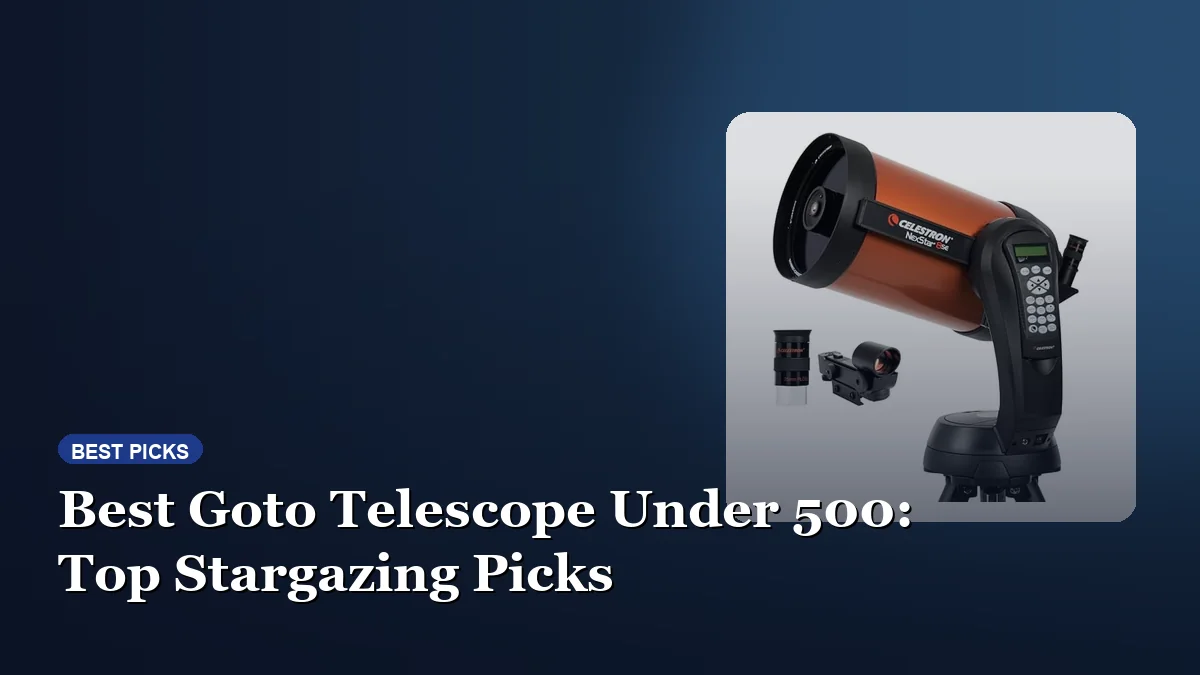
 Celestron NexStar 8SE Computerized Telescope
8-inch SCT | GoTo Mount | 40,000+ Objects
 Celestron NexStar 6SE Schmidt-Cassegrain Telescope
6-inch SCT | GoTo Tracking | Portable Build
 Celestron Origin Mark II Intelligent Home Observatory
RASA Optics | Smart Imaging | All-In-One
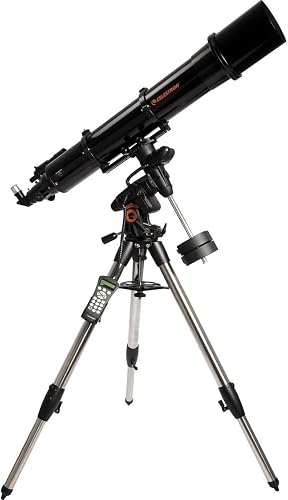 Celestron Advanced VX 6-Inch Refractor Telescope
6-inch Refractor | Computerized GEM | High Contrast
 Celestron NexStar 5SE Computerized Telescope
5-inch SCT | Built-in Wedge | SkyAlign
 Hawkko 80mm Aperture 500mm Beginner Telescope
80mm Refractor | AZ Tripod | Phone Adapter
The Celestron NexStar 8SE Computerized Telescope is our top overall pick for its massive aperture and reliable automated tracking. Choose this powerful GoTo setup if you want crystal-clear deep-sky views without overspending.
On This Page (8 sections)
How We Chose
- Aperture Size: We prioritize light-gathering power to ensure bright, detailed planetary and deep-sky observations.
- GoTo Precision: Automated alignment systems must quickly and accurately locate thousands of night sky objects.
- Build Quality: Sturdy mounts and durable tripods are essential to prevent frustrating image shake outdoors.
Who Needs This
- Beginners wanting automated guidance to locate stars effortlessly.
- Stargazers upgrading to larger apertures for sharper planetary details.
- Hobbiests seeking reliable tracking for casual backyard astrophotography.
Who Can Skip
- Advanced astrophotographers requiring heavy-duty equatorial tracking systems.
- Ultra-casual users who prefer manual setup without electronic power.
- Backpackers needing lightweight, highly portable grab-and-go optics.
Quick Comparison: Best Goto Telescope Under 500
| Model | Aperture Size | Mount Type | Key Feature |
|---|---|---|---|
| 8 Inches | GoTo Alt-Az | 40k+ Objects |
| 6 Inches | Computerized Fork | Portable Build |
| 6 Inches | Equatorial Mount | Smart Imaging |
| 15 cm | Equatorial GEM | High Contrast |
| 5 Inches | Fork Arm GoTo | Built-in Wedge |
| 80 mm | Altazimuth | Phone Adapter |
The 6 Best Goto Telescope Under 500s, Reviewed
Celestron NexStar 8SE Computerized Telescope
View on Amazon →This iconic orange-tube telescope pairs massive light-gathering power with a fully automated GoTo database, making it effortless to track distant planets, star clusters, and faint nebulae from your own backyard.
Delivering stunning planetary detail and bright deep-sky views.
The single-fork mount can occasionally struggle with heavy wind or complex tracking setups.
| Metric | Listed Specification |
|---|---|
| Objective Diameter | 20.3 cm |
| Optical Design | Schmidt-Cassegrain |
| Focal Length | 2032mm |
| Total Weight | 24 lbs |
Setting up the tripod and attaching the optical tube is straightforward, though you will want a reliable external power tank since internal batteries drain rather quickly during extended stargazing sessions.
Routine maintenance involves keeping dust off the corrector plate and securely storing the hand control, ensuring this investment delivers reliable, crystal-clear astronomy nights for years.
- Massive 8-inch aperture
- Intuitive SkyAlign technology
- Extensive object database
- Heavy battery consumption
- Bulky for travel
Owners rave about the breathtaking planetary and nebula views, though a few note occasional tracking hiccups or setup challenges. Many find it well worth the investment for serious backyard astronomy.
Dedicated amateur astronomers wanting maximum light-gathering power and automated tracking.
Verify you have a steady portable power source to avoid sudden power drops in the field.
A legendary backyard scope delivering unmatched views if paired with reliable power.
View on Amazon →Verdict
The ultimate choice for deep-sky enthusiasts seeking automated precision and large-aperture views.
Celestron NexStar 6SE Schmidt-Cassegrain Telescope
View on Amazon →Striking a sweet balance between portability and optical performance, this midsize computerized telescope pulls in rich lunar details and bright nebulae while remaining easy to lift and transport.
Balancing sharp planetary magnification with a manageable, portable footprint.
Alignment precision requires patience, and battery life demands an external power adapter.
| Metric | Listed Specification |
|---|---|
| Optical Design | Schmidt-Cassegrain |
| Aperture | 15 cm |
| Focal Length | 1500mm |
| Warranty | 2 Years |
Transporting this scope to dark sky sites is surprisingly effortless thanks to its lighter optical tube, though evening setup still requires careful leveling to ensure accurate GoTo tracking.
Long-term upkeep is minimal if you store lenses in dry conditions, though investing in a dedicated AC adapter prevents frustrating mid-session power failures in cold weather.
- Ideal portability-to-power ratio
- Sharp lunar and planetary imagery
- Automated object locator
- Requires careful alignment
- Batteries drain fast
Users love the crisp planetary details and smooth setup process, though some report tracking difficulties or occasional power issues. Overall, it remains a favorite for weekend stargazers.
Intermediate stargazers seeking a portable yet powerful automated optical system.
Plan on purchasing an external power tank to extend your late-night viewing sessions.
A stellar midsize performer offering great portability without sacrificing deep-sky clarity.
View on Amazon →Verdict
The smartest compromise for stargazers wanting serious aperture in a truly transportable package.
Celestron Origin Mark II Intelligent Home Observatory
View on Amazon →Merging advanced astrophotography with automated home observing, this high-tech system uses specialized optics and integrated sensors to capture stunning, professional-grade images of distant galaxies straight to your phone.
Capturing brilliant, wide-field deep-sky images with zero manual photography guesswork.
It is significantly heavier and more expensive than traditional visual-only telescopes.
| Metric | Listed Specification |
|---|---|
| Optical Design | RASA |
| Aperture | 15.2 cm |
| Focal Length | 335mm |
| Mount | Equatorial |
Operating this smart observatory feels futuristic, connecting smoothly to mobile devices to stack live images while you relax indoors away from the evening chill.
Due to its substantial weight and delicate optical sensors, careful transport and secure storage are essential to maintain its high-precision astrophotography capabilities over time.
- Professional-grade imaging results
- Integrated smart sensor tech
- Wide flat-field optics
- Very heavy chassis
- Substantial investment
Tech-forward astronomy fans eager to capture effortless deep-sky astrophotography.
Ensure your mobile device software is fully updated for seamless observatory control.
A revolutionary smart observatory built for modern digital astrophotography enthusiasts.
View on Amazon →Verdict
The ultimate tech upgrade for capturing stunning, automated deep-sky images without complex gear.
Celestron Advanced VX 6-Inch Refractor Telescope
View on Amazon →Built around a rigid German equatorial mount, this high-contrast refractor offers exceptional planetary viewing and stable tracking designed specifically for budding astroimagers.
Providing ultra-sharp, high-contrast planetary views and steady equatorial tracking.
The heavy total weight makes it less than ideal for casual grab-and-go travel.
| Metric | Listed Specification |
|---|---|
| Optical Design | Refractor |
| Focal Length | 1200mm |
| Coating | Fully Multi-Coated |
| Database | 40k+ Objects |
Assembling this heavy-duty equatorial mount requires patience and muscle, but the rigid industrial design pays off with virtually zero flexure during long exposure sessions.
Upkeep involves balancing payloads carefully on the declination axis to protect internal motor gears, ensuring smooth meridian crossings during all-night imaging runs.
- Rigid industrial mount design
- High-contrast refractor optics
- Upgraded high-torque motors
- Extremely heavy system
- Complex setup process
Dedicated planetary observers and aspiring astrophotographers wanting rigid equatorial tracking.
Verify you have a permanent or semi-permanent storage spot due to its massive weight.
A robust equatorial powerhouse built for serious planetary imaging and tracking.
View on Amazon →Verdict
The premier choice for imagers demanding rigid stability and high-contrast refractor optics.
Celestron NexStar 5SE Computerized Telescope
View on Amazon →Combining a compact Schmidt-Cassegrain optical tube with an automated GoTo mount and built-in wedge, this lightweight telescope offers beginner-friendly stargazing and light astrophotography capabilities.
Offering an ultra-portable automated package with built-in equatorial wedge support.
The smaller 5-inch aperture gathers less light for faint deep-sky targets.
| Metric | Listed Specification |
|---|---|
| Optical Design | Schmidt-Cassegrain |
| Focal Length | 2500mm |
| Objective Diameter | 12.7 cm |
| Warranty | 2 Years |
Carrying this lightweight scope out to the patio or local park is remarkably easy, and the rapid SkyAlign setup gets you tracking celestial targets within minutes.
Maintaining the optics requires minimal effort, though keeping spare lithium batteries on hand ensures your computerized tracking never cuts out mid-observation.
- Lightweight and highly portable
- Built-in wedge for imaging
- Simple SkyAlign calibration
- Limited light-gathering aperture
- Batteries drain quickly
Buyers appreciate the easy setup and crisp lunar views, though some note inconsistent tracking or basic performance relative to cost. Many find it a fun entry point for casual viewing.
Beginners wanting a lightweight, fully automated telescope for backyard exploration.
Confirm whether the 5-inch light gathering meets your deep-sky observation goals.
A wonderfully portable automated telescope ideal for beginner-friendly lunar and planetary exploration.
View on Amazon →Verdict
The ideal lightweight option for travelers and beginners wanting automated tracking without heavy gear.
Hawkko 80mm Aperture 500mm Beginner Telescope
View on Amazon →Designed with families and novice stargazers in mind, this lightweight refractor kit includes multiple eyepieces, a smartphone adapter, and fun decorative stickers for an accessible introduction to astronomy.
Providing an all-inclusive, budget-friendly beginner package with smartphone compatibility.
The manual altazimuth mount lacks automated GoTo tracking features.
| Metric | Listed Specification |
|---|---|
| Optical Design | Refractor |
| Objective Lens | 8 cm |
| Eyepieces | 10mm & 25mm |
| Warranty | 2 Years |
Assembling this kid-friendly telescope takes just minutes without any tools, making it exceptionally convenient for spontaneous backyard stargazing or family camping trips.
Upkeep is hassle-free thanks to the durable aluminum tripod and coated glass lenses, though storing components securely prevents scratches on the plastic accessories.
- Tool-free fast assembly
- Handy smartphone adapter included
- Affordable starter package
- No automated GoTo tracking
- Lightweight tripod lacks heft
Reviewers love how easy it is to set up and use, praising the clear moon views and helpful phone adapter. It offers fantastic value for families exploring astronomy.
Families and young beginners eager to explore the moon and wildlife easily.
Keep in mind this is a manual setup without computer-assisted tracking.
A fun, budget-friendly starter telescope that makes family stargazing simple and engaging.
View on Amazon →Verdict
The top beginner kit for families seeking an easy, hands-on introduction to stargazing.
Practical Setup and Maintenance Tips for Your GoTo Telescope
Always level your tripod carefully before mounting the optical tube to ensure accurate GoTo alignment. Use fresh batteries or a dependable power tank to prevent motor tracking errors during long viewing sessions.
Store your telescope in a temperature-stable indoor space with dust caps securely attached. Clean glass optics strictly with professional microfiber cloths and specialized lens cleaning solutions to prevent scratching delicate coatings.
Buying Guide & Red Flags for Best Goto Telescope Under 500s
Check these points before you buy to avoid common pitfalls:
Avoid scopes with flimsy plastic tripods that cause severe image vibration.
Never attempt solar viewing without a certified, professional front objective filter.
Do not rely solely on internal AA batteries for lengthy winter observation.
Beware of complex alignment steps that frustrate beginners during initial setup.
Check that your chosen mount can support heavy camera attachments safely.
What does the TopTelescope Lab Score mean?
Our 10-point editorial score is a comprehensive evaluation designed to help American consumers shop with confidence. We rigorously test each telescope for optical clarity, everyday practicality, material durability, and real-world owner satisfaction.
Rather than relying on rigid mathematical formulas, our expert reviewers combine hands-on dark-sky testing with verified user feedback. This holistic approach ensures every score accurately reflects how well a GoTo telescope performs during actual backyard stargazing sessions and outreach events.
How hard is it to align a GoTo telescope?
Modern computerized telescopes utilize intuitive alignment methods like SkyAlign to make setup remarkably straightforward for beginners. You simply center three bright celestial objects in your eyepiece and let the computer calculate your exact position.
While minor calibration tweaks may take a few tries, built-in hand controllers walk you through every step. Once aligned, your telescope will automatically point toward thousands of stars, planets, and nebulae without manual guesswork.
Do GoTo telescopes require external power sources?
Most computerized telescopes can run on standard AA batteries, but internal power depletes quite rapidly during cold weather. For reliable, uninterrupted tracking throughout long evening sessions, we strongly recommend investing in a dedicated rechargeable power tank or an AC adapter.
This prevents sudden tracking drops and motor stalls while you are in the middle of exploring deep-sky objects. Keeping a reliable power backup ensures your computerised mount stays fully operational all night.
Why is aperture size so important for a telescope?
Aperture refers to the diameter of the telescope's primary lens or mirror, which directly determines its light-gathering power. Larger apertures allow you to see fainter deep-sky targets like distant nebulae and faint galaxies with much greater clarity.
While smaller scopes remain great for bright planets, stepping up to a larger optical tube dramatically expands your nighttime universe. Balancing aperture size with overall portability is key to choosing the right backyard setup.
Can I use these GoTo telescopes for astrophotography?
Many GoTo telescopes are well-suited for casual lunar and planetary imaging using a standard smartphone adapter or a dedicated planetary camera. However, deep-sky astrophotography with long exposure times typically requires a specialized equatorial mount to prevent image rotation.
If your primary goal is capturing detailed galaxy photos, look for models equipped with robust tracking wedges or equatorial designs. Beginners can easily start with bright moon shots before tackling advanced deep-sky imaging.
How should I clean and store my telescope optics?
Proper maintenance keeps your optical coatings pristine and ensures sharp, high-contrast views for years. Always use a soft camel-hair brush or compressed air blower to remove loose dust before touching glass surfaces.
For smudges, apply optical cleaning solution to a microfiber cloth rather than spraying liquid directly onto the lens. Store your telescope indoors with all dust caps attached in a temperature-controlled environment free from excessive humidity.
Final Verdict
Finding the right automated telescope transforms your backyard into a personal observatory. The Celestron NexStar 8SE Computerized Telescope remains our ultimate recommendation for unmatched clarity. Explore our shortlist to find your ideal stargazing companion.
Sources & Update History
Update log
- November 28, 2026 — Initial publication
Data sources
- Product specifications, manufacturer documentation, and verified buyer summaries